


As a supplier of thermal insulation blankets, I've witnessed firsthand the diverse needs and applications that require specialized solutions. Thermal insulation blankets are not a one-size-fits-all product; instead, they come in various types, each tailored to specific environments, temperatures, and industries. In this blog, I'll explore the different types of thermal insulation blankets, their unique features, and the applications they're best suited for.
Ceramic Fiber Blankets
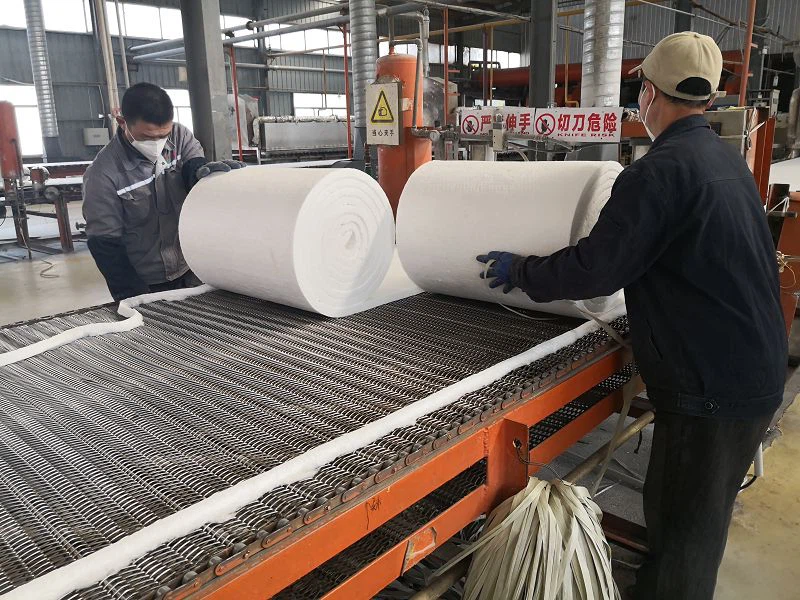
Ceramic fiber blankets are among the most popular types of thermal insulation blankets due to their high-temperature resistance and excellent thermal insulation properties. These blankets are made from ceramic fibers, which are lightweight, flexible, and can withstand temperatures up to 2300°F (1260°C).
2300F Ceramic Fibre Blanket
The 2300F Ceramic Fibre Blanket is designed for applications that require extreme temperature resistance. It's commonly used in industrial furnaces, kilns, and other high-temperature processes. This blanket offers low thermal conductivity, which means it can effectively reduce heat transfer and energy consumption. Additionally, it's resistant to chemical corrosion and thermal shock, making it a reliable choice for harsh environments.
Double Needled Ceramic Fiber Blanket
The Double Needled Ceramic Fiber Blanket is a high-quality insulation material that provides enhanced strength and durability. The double needling process ensures that the fibers are tightly packed, resulting in a denser and more robust blanket. This type of blanket is ideal for applications where mechanical stress is a concern, such as in insulation for pipes, ducts, and equipment. It also offers excellent thermal insulation performance and can withstand high temperatures.
Ceramic Fiber Blanket for Kiln
The Ceramic Fiber Blanket for Kiln is specifically designed for use in kilns, which are used in various industries, including ceramics, glass, and metalworking. This blanket provides superior insulation, helping to maintain a consistent temperature inside the kiln and reduce energy consumption. It also has good resistance to thermal cycling, which means it can withstand repeated heating and cooling without losing its insulation properties.
Fiberglass Blankets
Fiberglass blankets are another common type of thermal insulation blanket. They're made from fine glass fibers and are known for their affordability, ease of installation, and good thermal insulation properties. Fiberglass blankets can withstand temperatures up to 1000°F (538°C), making them suitable for a wide range of applications.
Fiberglass blankets are often used in residential and commercial buildings for insulation of walls, attics, and floors. They can also be used in industrial applications, such as insulation for HVAC systems, pipes, and equipment. These blankets are lightweight and flexible, making them easy to handle and install. Additionally, they're resistant to fire, mold, and mildew, which makes them a safe and durable choice for insulation.

Mineral Wool Blankets
Mineral wool blankets are made from natural or synthetic minerals, such as rock wool or slag wool. They offer excellent thermal insulation, sound absorption, and fire resistance properties. Mineral wool blankets can withstand temperatures up to 1800°F (982°C), making them suitable for high-temperature applications.
These blankets are commonly used in industrial settings, such as power plants, refineries, and manufacturing facilities. They're also used in commercial and residential buildings for insulation of walls, roofs, and floors. Mineral wool blankets are dense and heavy, which provides good insulation and soundproofing. They're also non-combustible, which makes them a safe choice for fire-prone areas.
Aerogel Blankets
Aerogel blankets are a relatively new type of thermal insulation blanket that offers superior insulation performance. They're made from aerogel, which is a lightweight, porous material with extremely low thermal conductivity. Aerogel blankets can withstand temperatures up to 1200°F (649°C) and offer the best insulation per unit thickness compared to other types of blankets.
Aerogel blankets are often used in high-performance applications, such as aerospace, automotive, and electronics. They're also used in some industrial and commercial applications where space is limited and high insulation performance is required. However, aerogel blankets are more expensive than other types of insulation blankets, which can limit their use in some applications.
Applications of Thermal Insulation Blankets
The different types of thermal insulation blankets are used in a wide range of applications across various industries. Here are some common applications:
Industrial Applications
In the industrial sector, thermal insulation blankets are used to insulate furnaces, kilns, boilers, pipes, and equipment. They help to reduce heat loss, improve energy efficiency, and protect workers from high temperatures. For example, ceramic fiber blankets are commonly used in steel mills, foundries, and glass factories, while mineral wool blankets are used in power plants and refineries.
Residential and Commercial Buildings
In residential and commercial buildings, thermal insulation blankets are used to insulate walls, attics, floors, and roofs. They help to keep the building warm in the winter and cool in the summer, reducing energy consumption and utility bills. Fiberglass blankets are the most commonly used insulation material in buildings due to their affordability and ease of installation.
Transportation
In the transportation industry, thermal insulation blankets are used to insulate engines, exhaust systems, and cabins. They help to reduce heat transfer, improve fuel efficiency, and provide a more comfortable environment for passengers. For example, aerogel blankets are used in some high-performance cars and airplanes to provide lightweight and high-performance insulation.
Aerospace
In the aerospace industry, thermal insulation blankets are used to protect spacecraft, satellites, and aircraft from extreme temperatures. They help to maintain the temperature inside the vehicle and protect sensitive equipment from heat damage. Ceramic fiber blankets and aerogel blankets are commonly used in aerospace applications due to their high-temperature resistance and low weight.
Choosing the Right Thermal Insulation Blanket
When choosing a thermal insulation blanket, it's important to consider several factors, including the temperature range, the application, the required insulation performance, and the budget. Here are some tips to help you choose the right blanket:
- Temperature Range: Determine the maximum temperature that the blanket will be exposed to. Choose a blanket that can withstand the highest temperature in your application. For example, if you need to insulate a furnace that operates at 2000°F (1093°C), you should choose a ceramic fiber blanket.
- Application: Consider the specific application where the blanket will be used. Different applications require different types of blankets. For example, if you're insulating a pipe, you may need a flexible blanket that can be easily wrapped around the pipe. If you're insulating a kiln, you may need a blanket that can withstand thermal cycling.
- Insulation Performance: Look for a blanket with a low thermal conductivity, which means it can effectively reduce heat transfer. The insulation performance is usually measured in terms of R-value, which is a measure of the resistance to heat flow. The higher the R-value, the better the insulation.
- Budget: Consider your budget when choosing a thermal insulation blanket. Some types of blankets, such as aerogel blankets, are more expensive than others. However, they may offer better insulation performance and longer lifespan, which can result in cost savings in the long run.
Conclusion
In conclusion, there are different types of thermal insulation blankets available, each with its own unique features and applications. As a supplier of thermal insulation blankets, I understand the importance of choosing the right blanket for your specific needs. Whether you're looking for a high-temperature ceramic fiber blanket, an affordable fiberglass blanket, or a high-performance aerogel blanket, I can provide you with the right solution.
If you're interested in purchasing thermal insulation blankets or have any questions about our products, please don't hesitate to contact us. We're here to help you find the best insulation solution for your application and provide you with excellent customer service.
References
- ASHRAE Handbook of Fundamentals. American Society of Heating, Refrigerating and Air-Conditioning Engineers.
- Insulation Materials and Systems: A Guide to Selection and Application. Insulation Manufacturers Association.
- Thermal Insulation for Industrial Equipment and Piping. API Recommended Practice 5L2. American Petroleum Institute.


