


As a supplier of ceramic fiber blankets, I often encounter inquiries about the suitability of our products for various applications, including electronic equipment insulation. In this blog post, I will delve into the technical aspects, advantages, and considerations of using ceramic fiber blankets in electronic equipment for insulation purposes.
Technical Properties of Ceramic Fiber Blankets
Ceramic fiber blankets are made from high - purity alumina - silica fibers, which possess several unique properties that make them potentially suitable for insulation in electronic equipment.
One of the key properties is their low thermal conductivity. Thermal conductivity measures a material's ability to conduct heat. A low thermal conductivity value indicates that the material is a good insulator. Ceramic fiber blankets typically have a thermal conductivity ranging from 0.03 to 0.1 W/(m·K) at different temperatures. This low value helps to reduce the heat transfer from the heat - generating components in electronic equipment to the surrounding environment or other sensitive parts of the device.
Another important property is their high temperature resistance. Ceramic fiber blankets can withstand temperatures up to 1260°C (2300°F) 2300F Ceramic Fibre Blanket. In electronic equipment, there are often components such as power transistors, integrated circuits, and power supplies that can generate significant amounts of heat. The high - temperature resistance of ceramic fiber blankets allows them to maintain their insulating properties even under extreme heat conditions, preventing thermal damage to other parts of the equipment.
Advantages of Using Ceramic Fiber Blankets in Electronic Equipment
- Effective Insulation: As mentioned earlier, the low thermal conductivity of ceramic fiber blankets makes them excellent insulators. By using these blankets, the heat generated by electronic components can be contained, which helps to improve the overall efficiency of the equipment. For example, in a high - power amplifier, the heat generated by the power transistors can be insulated from other sensitive components, reducing the risk of overheating and potential malfunctions.
- Lightweight: Ceramic fiber blankets are relatively lightweight compared to other traditional insulation materials such as asbestos or fiberglass. This is an important advantage in electronic equipment, especially in portable devices where weight is a critical factor. The use of lightweight insulation materials helps to reduce the overall weight of the equipment without sacrificing insulation performance.
- Flexibility: These blankets are flexible and can be easily cut and shaped to fit the specific requirements of different electronic equipment. Whether it is a small - scale consumer electronics device or a large - scale industrial control system, ceramic fiber blankets can be customized to provide the necessary insulation. For instance, in a printed circuit board, the blankets can be cut into small pieces and placed around heat - generating components to provide targeted insulation.
- Chemical Resistance: Ceramic fiber blankets are resistant to many chemicals, including acids, alkalis, and solvents. In electronic equipment, there may be situations where the insulation material comes into contact with various chemicals during the manufacturing process or in the operating environment. The chemical resistance of ceramic fiber blankets ensures their long - term stability and reliability.
Considerations for Using Ceramic Fiber Blankets in Electronic Equipment
- Fiber Release: One of the main concerns when using ceramic fiber blankets is the potential release of fibers. When the blankets are cut, handled, or damaged, small fibers may be released into the air. These fibers, if inhaled, can pose a health risk to humans. To mitigate this risk, proper handling procedures should be followed, such as wearing protective clothing, masks, and gloves during installation and maintenance. Additionally, the use of encapsulation or coating techniques can help to reduce fiber release.
- Electrical Conductivity: Although ceramic fiber blankets are generally considered to be electrical insulators, in some cases, there may be a small amount of electrical conductivity due to impurities or surface contamination. In high - voltage or high - precision electronic equipment, this small amount of conductivity could potentially cause electrical interference or short - circuits. Therefore, it is important to ensure that the ceramic fiber blankets used in such equipment have been tested and certified for electrical insulation performance.
- Compatibility with Other Materials: In electronic equipment, the ceramic fiber blankets need to be compatible with other materials such as plastics, metals, and electronic components. There may be issues such as chemical reactions, mechanical stress, or thermal expansion mismatch between the insulation material and other parts of the equipment. Before using ceramic fiber blankets, it is necessary to conduct compatibility tests to ensure that there are no adverse effects on the performance and reliability of the equipment.
Applications of Ceramic Fiber Blankets in Electronic Equipment
- Power Supplies: Power supplies are one of the main heat - generating components in electronic equipment. Ceramic fiber blankets can be used to insulate the power transformers, rectifiers, and other high - power components in the power supply. This helps to reduce the heat dissipation to the surrounding environment and improve the efficiency of the power supply.
- Industrial Control Systems: In industrial control systems, there are often high - power controllers, motor drives, and other electronic devices that generate a large amount of heat. Ceramic fiber blankets can be used to insulate these components, protecting other sensitive parts of the control system from thermal damage and ensuring stable operation.
- Consumer Electronics: In consumer electronics such as laptops, tablets, and smartphones, the space for heat dissipation is limited. Ceramic fiber blankets can be used in these devices to provide insulation for heat - generating components such as processors and batteries, helping to improve the performance and lifespan of the devices.
Conclusion
In conclusion, ceramic fiber blankets have the potential to be used in electronic equipment for insulation purposes. Their low thermal conductivity, high temperature resistance, lightweight, flexibility, and chemical resistance make them attractive insulation materials. However, it is important to consider the potential issues such as fiber release, electrical conductivity, and compatibility with other materials. By taking appropriate measures to address these concerns, ceramic fiber blankets can provide effective insulation solutions for a wide range of electronic equipment.

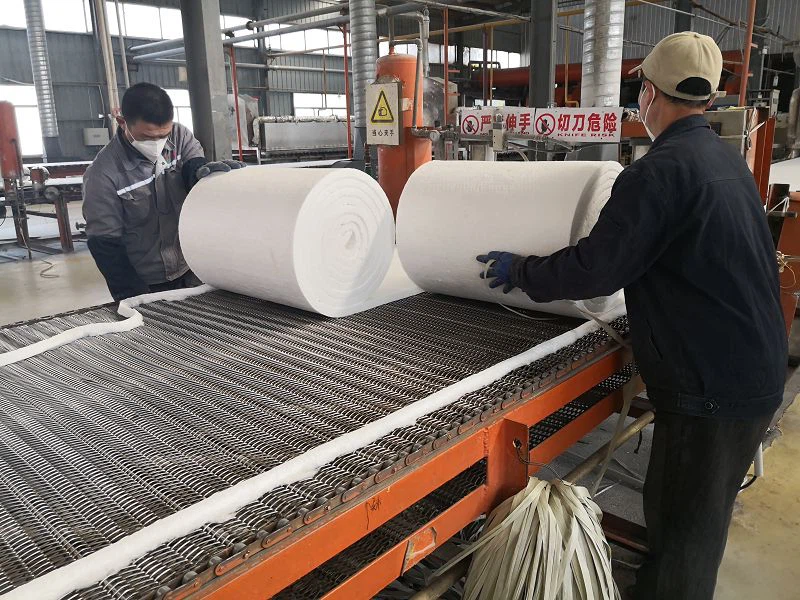
If you are interested in using ceramic fiber blankets for your electronic equipment insulation needs, or have any questions about our products, feel free to contact us for more information and to discuss your specific requirements. We offer a variety of ceramic fiber blankets suitable for different applications, including Ceramic Fiber Blanket for Industry Furnace and Ceramic Fiber Blanket for Kiln. Our team of experts is ready to assist you in finding the best insulation solution for your electronic equipment.
References
- "Ceramic Fiber Technology Handbook", XYZ Publishing, 20XX
- "Insulation Materials for Electronic Equipment", ABC Research Institute, 20XX
- "Thermal Management in Electronic Systems", DEF University Press, 20XX


