


Can Ceramic Fibre Board 50mm be painted?
As a supplier of Ceramic Fibre Board 50mm, I often encounter questions from customers regarding various aspects of our product. One question that has come up quite frequently is whether the Ceramic Fibre Board 50mm can be painted. In this blog post, I will delve into this topic and provide a comprehensive answer based on scientific knowledge and practical experience.
First, let's understand what Ceramic Fibre Board 50mm is. Ceramic fibre boards are made from high - purity alumina - silica ceramic fibres. These boards are known for their excellent thermal insulation properties, low thermal conductivity, high temperature resistance, and good chemical stability. The 50mm thickness variant offers enhanced insulation capabilities, making it suitable for a wide range of industrial applications such as furnaces, kilns, and heat treatment equipment.
The question of painting the Ceramic Fibre Board 50mm is an interesting one as there are several factors to consider. One of the primary concerns is the high - temperature environment in which these boards are typically used. Most paints are not designed to withstand the extreme temperatures that Ceramic Fibre Board 50mm can be exposed to. When exposed to high heat, ordinary paints can break down, burn, or release harmful fumes, which can not only damage the paint but also compromise the safety and performance of the insulation.

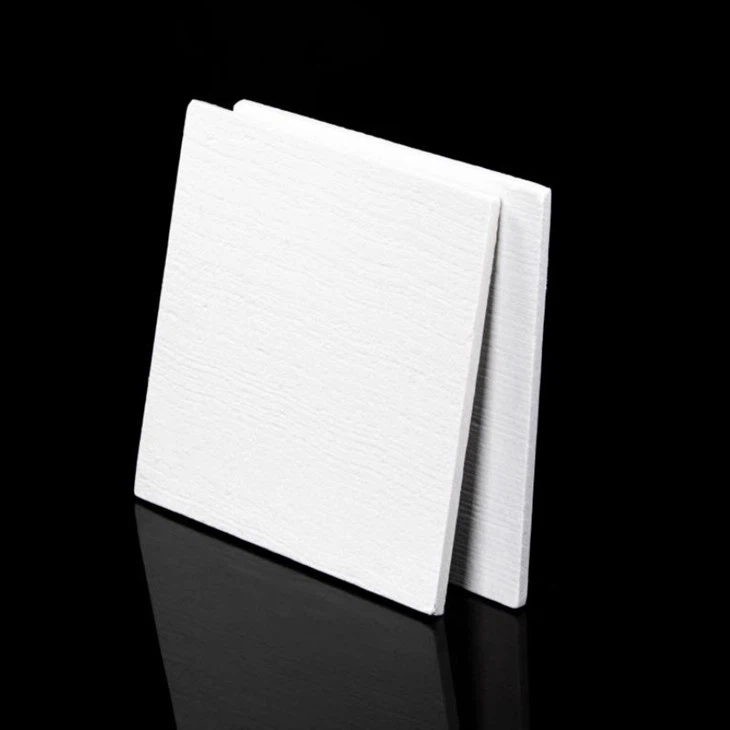
However, there are special high - temperature paints available in the market. These paints are formulated to withstand elevated temperatures, sometimes up to several hundred degrees Celsius. If you intend to paint the Ceramic Fibre Board 50mm, it is crucial to choose a high - temperature paint that is compatible with the ceramic fibre material. Before applying the paint, it is advisable to conduct a small - scale test on a sample of the board. This test will help you determine if the paint adheres well to the board and can withstand the expected temperature range without deteriorating.
Another aspect to consider is the porosity of the Ceramic Fibre Board 50mm. Ceramic fibre boards are porous in nature, which means they can absorb liquids. When painting the board, the paint may penetrate into the pores. While this can provide a good bond in some cases, it can also lead to uneven drying and cracking if not properly managed. To address this issue, you may need to apply a primer first. A suitable primer can seal the pores to some extent and provide a better surface for the paint to adhere to.
In addition to high - temperature resistance and porosity, the purpose of painting also matters. If the painting is for aesthetic reasons, such as color - coding different areas of a furnace or equipment, then the paint should be chosen based on its ability to maintain its color and appearance under the operating conditions. On the other hand, if the paint is intended to provide additional protection, such as against corrosion or chemical attack, then the paint's chemical resistance properties need to be carefully evaluated.
Let's now take a look at some of the related products in our range. We also offer 1/4 Inch Ceramic Fiber Board, which is a thinner variant of the ceramic fiber board. It has similar properties to the 50mm board but is more suitable for applications where space is limited or less insulation thickness is required. Another product is the Ceramic Fiber Vacuum Formed Special Shape. This product is custom - made to fit specific shapes and requirements, and the question of painting may also apply to it. The same principles of choosing high - temperature paint and considering porosity and purpose apply here as well.
When it comes to the Ceramic Fibre Board 50mm itself, proper surface preparation is key to a successful painting job. The surface of the board should be clean and free of dust, debris, and any loose fibres. You can use a soft brush or compressed air to clean the surface before applying the primer and paint.
In terms of application techniques, spraying is often a preferred method for painting Ceramic Fibre Board 50mm. Spraying can provide a more even and consistent coating compared to brushing. However, if the board has a complex shape or hard - to - reach areas, brushing may be necessary. In such cases, use a high - quality brush and apply the paint in thin, even coats to avoid drips and uneven coverage.
It is also important to note that painting the Ceramic Fibre Board 50mm may have an impact on its thermal insulation performance. While a thin layer of paint may not significantly affect the insulation properties, a thick or uneven layer could potentially change the heat transfer characteristics of the board. Therefore, it is essential to keep the paint layer as thin as possible while still achieving the desired results.
In conclusion, it is possible to paint the Ceramic Fibre Board 50mm, but it requires careful consideration and the use of appropriate high - temperature paints. Conducting tests, preparing the surface properly, and choosing the right application method are all crucial steps in ensuring a successful painting job.
If you are interested in our Ceramic Fibre Board 50mm or have any questions regarding painting or other aspects of our products, we encourage you to reach out to us for further discussion and potential procurement. We are committed to providing high - quality products and professional advice to meet your specific needs.
References
- Ceramic Fibre Handbook: A comprehensive guide on the properties and applications of ceramic fibre materials.
- High - Temperature Paints Manufacturer's Technical Data Sheets: Information on the performance and compatibility of high - temperature paints.


