


Can Refractory Ceramic Fiber Board be used in food - related industries?
As a supplier of Refractory Ceramic Fiber Board, I often receive inquiries from clients in various industries, including those in the food - related sectors. The question of whether Refractory Ceramic Fiber Board can be used in food - related industries is a crucial one, and it requires a comprehensive analysis from multiple perspectives.
Properties of Refractory Ceramic Fiber Board
Refractory Ceramic Fiber Board is well - known for its excellent thermal insulation properties. It can withstand high temperatures, typically ranging from 1000°C to 1600°C, depending on the specific type. This high - temperature resistance makes it suitable for applications where heat insulation is essential. For example, in industrial ovens, kilns, and furnaces, Refractory Ceramic Fiber Board can effectively reduce heat loss, improve energy efficiency, and protect the surrounding environment from excessive heat.
Another important property is its low thermal conductivity. A low thermal conductivity means that the board can prevent the transfer of heat, which is beneficial for maintaining a stable temperature inside the equipment. Additionally, Refractory Ceramic Fiber Board is lightweight, easy to install, and has good chemical stability. It is resistant to most chemicals, which makes it suitable for use in harsh industrial environments.
Considerations for Food - Related Industries
When it comes to using Refractory Ceramic Fiber Board in food - related industries, several key factors need to be considered.
1. Food Safety
The most critical concern is food safety. Any material that comes into contact with food must meet strict safety standards. Refractory Ceramic Fiber Board is made from inorganic materials, such as alumina and silica. In general, these materials are considered chemically stable and non - toxic. However, there is a potential risk of fiber release. If the fibers are inhaled or ingested, they may pose a health hazard.
To address this issue, manufacturers have developed methods to minimize fiber release. For example, some Refractory Ceramic Fiber Boards are treated with special coatings or binders to encapsulate the fibers and prevent them from being released into the environment. Additionally, proper installation and maintenance of the board can also reduce the risk of fiber release.
2. Hygiene Requirements
Food - related industries have strict hygiene requirements. The Refractory Ceramic Fiber Board must be easy to clean and maintain to prevent the growth of bacteria and other microorganisms. Some boards are designed with smooth surfaces that are resistant to dirt and moisture, making them easier to clean. However, it is important to note that the board should not absorb liquids or food residues, as this can lead to the growth of bacteria.
3. Compatibility with Food Processing Equipment
The Refractory Ceramic Fiber Board should be compatible with the food processing equipment. It should not react with the materials used in the equipment or the food itself. For example, in some food processing applications, the board may be exposed to acids, alkalis, or other chemicals. The board must be able to withstand these chemical environments without deteriorating or releasing harmful substances.
Applications in Food - Related Industries
Despite the concerns, there are several potential applications of Refractory Ceramic Fiber Board in food - related industries.
1. Baking Ovens
In commercial baking ovens, Refractory Ceramic Fiber Board can be used as insulation material. The high - temperature resistance and low thermal conductivity of the board can help maintain a stable baking temperature, improve energy efficiency, and reduce baking time. For example, High Temperature Ceramic Fiber Board can withstand the high temperatures required for baking bread, cakes, and other baked goods.
2. Food Drying Equipment
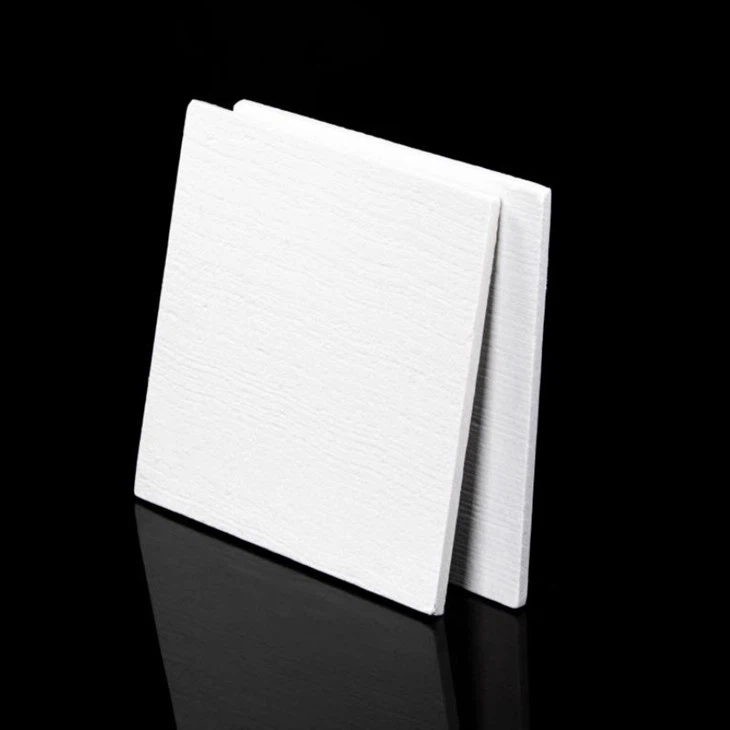
Food drying is an important process in the food industry. Refractory Ceramic Fiber Board can be used to insulate the drying chambers, reducing heat loss and improving the drying efficiency. The Ceramic Fibre Board 50mm provides sufficient insulation thickness for effective heat retention in the drying equipment.

3. Food Sterilization Equipment
Sterilization is a crucial step in ensuring food safety. Refractory Ceramic Fiber Board can be used in sterilization equipment, such as autoclaves, to maintain the high temperatures required for sterilization. The board's ability to withstand high temperatures and its chemical stability make it a suitable material for this application.
Conclusion
In conclusion, Refractory Ceramic Fiber Board can be used in food - related industries, but careful consideration must be given to food safety, hygiene requirements, and compatibility with food processing equipment. With proper selection, installation, and maintenance, Refractory Ceramic Fiber Board can provide effective thermal insulation and contribute to the efficiency and safety of food processing operations.
If you are interested in using Refractory Ceramic Fiber Board in your food - related industry applications, we are here to assist you. We offer a wide range of products, including Ceramic Fibre Board 50mm, 1/4 Inch Ceramic Fiber Board, and High Temperature Ceramic Fiber Board. Our team of experts can help you choose the most suitable product for your specific needs. Please feel free to contact us for more information and to discuss your procurement requirements.
References
- "Refractory Materials Handbook"
- Industry standards and regulations related to food safety and thermal insulation materials.


