


Can thermal insulation blankets be used in glass manufacturing plants? That's a question I get asked a lot as a supplier of Thermal Insulation Blanket. And the answer is a resounding yes! Let me break it down for you.
First off, glass manufacturing is an energy - intensive process. The furnaces used in these plants can reach extremely high temperatures, often well over 1000 degrees Celsius. Maintaining these high temperatures efficiently is crucial for both the quality of the glass produced and the overall cost - effectiveness of the operation. That's where thermal insulation blankets come in handy.
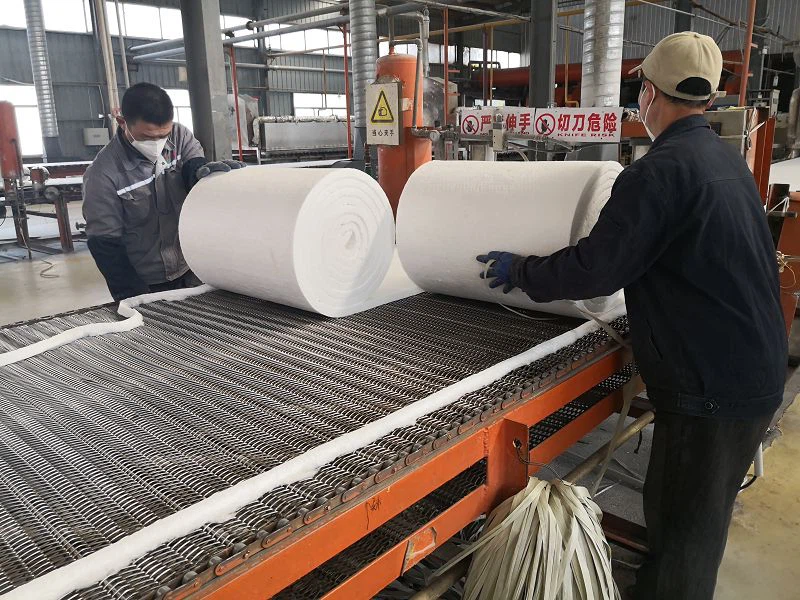

One of the key benefits of using thermal insulation blankets in glass manufacturing plants is energy savings. When these blankets are properly installed around the furnaces and other hot equipment, they act as a barrier, reducing the amount of heat that escapes into the surrounding environment. This means that the furnaces don't have to work as hard to maintain the required temperature, leading to significant energy savings over time. And let's face it, in today's world where energy costs are constantly on the rise, any way to cut down on energy consumption is a big plus.
Another important aspect is worker safety. The high temperatures in glass manufacturing plants can pose serious risks to the workers. If the hot surfaces of the equipment are exposed, there's a high chance of burns and other heat - related injuries. Thermal insulation blankets cover these hot surfaces, reducing the temperature of the outer layer and making the work environment safer. Workers can move around the plant without constantly worrying about accidentally coming into contact with scalding - hot equipment.
Now, you might be thinking, "What kind of thermal insulation blankets are best for glass manufacturing plants?" Well, Ceramic Fiber Blanket for Kiln is a great option. Ceramic fiber has excellent thermal insulation properties and can withstand very high temperatures. It's also lightweight and easy to install, which is a huge advantage when you're dealing with large - scale equipment in a manufacturing plant.
For instance, our 2 Inch Ceramic Fiber Blanket provides an extra layer of protection. The 2 - inch thickness offers better insulation compared to thinner blankets, ensuring that even less heat is lost. It can be customized to fit different shapes and sizes of equipment, whether it's a large furnace or a smaller heating unit.
In addition to energy savings and safety, thermal insulation blankets can also improve the lifespan of the equipment. When the equipment is well - insulated, it doesn't experience as much thermal stress. Thermal stress can cause cracks and other forms of damage over time, leading to costly repairs and shortened equipment lifespan. By reducing thermal stress, the insulation blankets help the equipment last longer, which is a win for the plant's bottom line.
But it's not just about the technical benefits. Using thermal insulation blankets also has environmental benefits. As I mentioned earlier, energy savings mean less fuel consumption. This, in turn, reduces the plant's carbon footprint. In a world that's becoming more and more conscious of environmental issues, taking steps to reduce energy consumption and emissions can give a glass manufacturing plant a competitive edge.
When it comes to installing thermal insulation blankets in a glass manufacturing plant, it's important to do it right. A proper installation ensures that the blankets are effective in reducing heat loss and protecting workers. It's a good idea to work with experienced installers who understand the specific requirements of a glass manufacturing environment.
There are also certain maintenance aspects to consider. Over time, the insulation blankets may experience wear and tear. Regular inspections should be carried out to check for any signs of damage, such as tears or loose fibers. If any issues are found, the damaged parts should be replaced promptly to maintain the effectiveness of the insulation.
In some cases, you might need to combine different types of insulation materials for optimal results. For example, you could use a ceramic fiber blanket as the primary insulation and then add an outer layer of a more durable and fire - resistant material. This combination can provide enhanced protection and performance.
Now, if you're a glass manufacturing plant owner or manager and you're interested in using thermal insulation blankets, I'd love to chat with you. We've got a wide range of products to suit different needs, and our team of experts can help you find the best solution for your plant. Whether you need a small - scale insulation project or a comprehensive insulation plan for your entire facility, we're here to assist.
Investing in thermal insulation blankets is a smart move for glass manufacturing plants. It offers a multitude of benefits, from energy savings and increased safety to equipment longevity and environmental friendliness. So, if you're looking to improve your plant's efficiency and performance, don't hesitate to reach out. Let's work together to make your glass manufacturing process more cost - effective and sustainable.
References
- Technical manuals on thermal insulation for high - temperature industrial applications
- Case studies on the use of thermal insulation in glass manufacturing plants


