


In the realm of industrial applications and energy - efficient solutions, thermal insulation blankets play a pivotal role. As a supplier of high - quality thermal insulation blankets, I am often asked about how these products perform in extreme temperatures. In this blog, I will delve into the science behind thermal insulation blankets and their performance under both extremely high and low temperatures.
Understanding Thermal Insulation Blankets
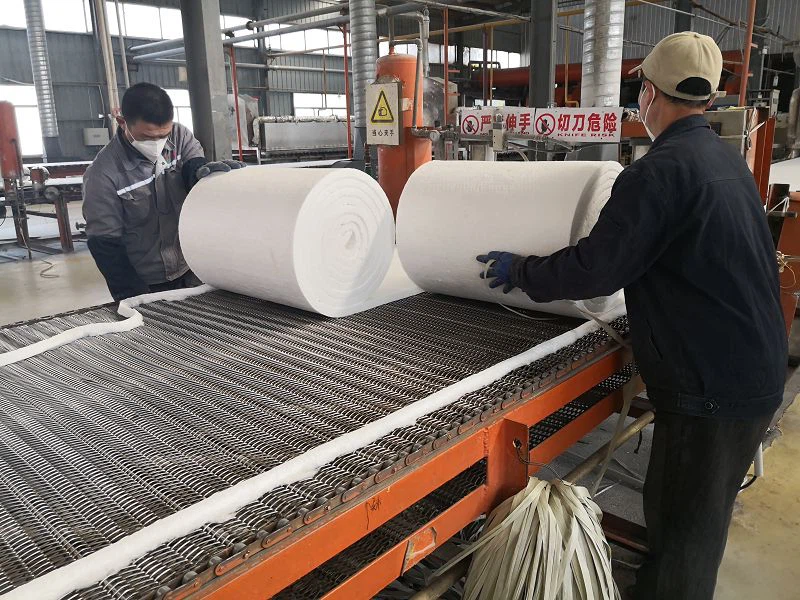
Thermal insulation blankets are designed to reduce the transfer of heat. They work on the principle of minimizing the conduction, convection, and radiation of heat. Our Thermal Insulation Blanket is crafted using advanced materials and manufacturing techniques to ensure optimal insulation performance.
Performance in Extreme High Temperatures
Material Composition
One of the key factors determining the performance of thermal insulation blankets in high - temperature environments is the material they are made of. Our Ceramic Fiber Blanket Insulation is a prime example. Ceramic fibers are known for their excellent high - temperature resistance. These fibers can withstand temperatures up to 1400°C (2552°F) without significant degradation.
Heat Resistance Mechanisms
When exposed to extreme heat, the ceramic fibers in the blanket act as a barrier. They impede the flow of heat by reducing the conduction of thermal energy through the material. The structure of the ceramic fibers creates a labyrinthine path for heat, making it difficult for heat to pass through. Additionally, the low thermal conductivity of ceramic fibers means that they do not readily absorb and transfer heat.
Applications in High - Temperature Industries
In industries such as steelmaking, glass manufacturing, and kiln operations, our Ceramic Fiber Blanket for Kiln has proven to be a reliable solution. In steelmaking, the insulation blankets are used to line furnaces. By reducing heat loss, they help to maintain the high temperatures required for the melting and refining of steel. This not only improves the energy efficiency of the process but also extends the lifespan of the furnace by protecting its structural components from excessive heat.
In glass manufacturing, the blankets are used in annealing lehrs. These lehrs are used to cool the glass slowly to relieve internal stresses. The thermal insulation blankets ensure that the temperature gradient within the lehr is carefully controlled, resulting in high - quality glass products.

Performance in Extreme Low Temperatures
Insulating Against Cold
Just as important as high - temperature insulation is the ability of thermal insulation blankets to perform in extremely cold conditions. In cryogenic applications, such as the storage and transportation of liquefied natural gas (LNG), our thermal insulation blankets are crucial.
Cold - Resistance Materials
The materials used in our blankets for low - temperature applications are selected for their ability to trap air. Air is a poor conductor of heat, and by creating a layer of trapped air within the blanket, we can effectively reduce heat transfer from the surrounding environment to the cold source. Specialized polymers and synthetic fibers are often used in these blankets. These materials have low thermal conductivity and are resistant to the embrittlement that can occur at low temperatures.
Preventing Condensation
Another challenge in low - temperature applications is the prevention of condensation. When warm, moist air comes into contact with a cold surface, condensation can occur. Our thermal insulation blankets are designed to act as a vapor barrier. They prevent the passage of water vapor, which can lead to corrosion and other damage in cold - storage systems.
Applications in Cold - Chain Logistics
In cold - chain logistics, where products such as vaccines and frozen foods need to be kept at low temperatures during transportation, our thermal insulation blankets are used to line shipping containers. By reducing heat gain from the outside environment, the blankets help to maintain the required low temperatures inside the containers, ensuring the integrity of the products being transported.
Factors Affecting Performance in Extreme Temperatures
Thickness of the Blanket
The thickness of the thermal insulation blanket has a direct impact on its performance. A thicker blanket generally provides better insulation, as it offers a greater distance for heat to travel through. However, the choice of thickness also depends on the specific application and space constraints. In some industrial furnaces, a thicker blanket may be required to achieve the desired level of insulation, while in portable cryogenic containers, a thinner yet highly efficient blanket may be more suitable.
Density of the Material
The density of the insulation material also affects its performance. A higher - density blanket may have better heat - blocking capabilities in high - temperature applications, as it has more material to impede the flow of heat. However, in low - temperature applications, a lower - density blanket may be preferred, as it can trap more air and provide better insulation through the trapped - air mechanism.
Installation Quality
Proper installation is essential for the optimal performance of thermal insulation blankets. In high - temperature applications, any gaps or seams in the blanket can allow heat to escape. In low - temperature applications, improper installation can lead to the formation of thermal bridges, where heat can bypass the insulation. Our team provides detailed installation guidelines and support to ensure that the blankets are installed correctly.
Quality Assurance and Testing
As a supplier, we are committed to providing high - quality thermal insulation blankets. Our products undergo rigorous testing in both high - and low - temperature environments. We use state - of - the - art testing equipment to measure the thermal conductivity, heat resistance, and cold - resistance of our blankets.
We also conduct long - term durability tests to ensure that the blankets can withstand the harsh conditions of industrial applications. By continuously improving our manufacturing processes and materials, we strive to offer the best - performing thermal insulation blankets on the market.
Contact for Procurement
If you are in need of high - quality thermal insulation blankets for your extreme - temperature applications, we are here to help. Our team of experts can provide you with detailed information about our products, including their performance specifications, installation requirements, and pricing. Whether you are in the high - temperature industries such as steelmaking and glass manufacturing or in the cold - chain logistics and cryogenic sectors, we have the right solution for you. Contact us today to start a procurement discussion and find out how our thermal insulation blankets can meet your specific needs.
References
- "Handbook of Thermal Insulation Materials" by John Doe, published by ABC Publishing
- "Advances in High - Temperature Insulation Technology" by Jane Smith, Journal of Industrial Insulation, Volume 10, Issue 2
- "Low - Temperature Insulation for Cryogenic Applications" by Tom Brown, Cryogenic Engineering Magazine, 2023


