


Ceramic fiber boards are widely used in various industrial applications due to their excellent thermal insulation properties, high temperature resistance, and low thermal conductivity. As a leading supplier of ceramic fiber boards, I have witnessed firsthand the importance of understanding how these materials behave during thermal cycling. Thermal cycling refers to the repeated heating and cooling of a material, which can have a significant impact on its performance and durability. In this blog post, I will explore the behavior of ceramic fiber boards during thermal cycling and discuss the factors that influence their performance.
Understanding Thermal Cycling
Thermal cycling is a common phenomenon in many industrial processes, such as heat treatment, metal casting, and glass manufacturing. During thermal cycling, materials are subjected to rapid temperature changes, which can cause thermal stresses and strains. These stresses and strains can lead to cracking, spalling, and other forms of damage, which can reduce the performance and lifespan of the material.
The behavior of ceramic fiber boards during thermal cycling is influenced by several factors, including the composition of the board, its density, and the heating and cooling rates. Ceramic fiber boards are typically made from alumina-silica fibers, which have excellent high temperature resistance and low thermal conductivity. However, the performance of these fibers can be affected by the presence of impurities, such as iron and titanium, which can reduce their resistance to thermal shock.
Thermal Cycling Behavior of Ceramic Fiber Boards
When ceramic fiber boards are subjected to thermal cycling, they undergo a series of physical and chemical changes. At high temperatures, the fibers in the board begin to sinter, or fuse together, which can increase the density and strength of the board. However, if the heating rate is too fast, the fibers can overheat and become brittle, which can lead to cracking and spalling.
During cooling, the ceramic fiber board contracts, which can also cause thermal stresses and strains. If the cooling rate is too fast, the board can crack or delaminate, which can reduce its insulation properties and durability. To prevent these problems, it is important to control the heating and cooling rates of the ceramic fiber board during thermal cycling.
Factors Affecting Thermal Cycling Performance
Several factors can affect the thermal cycling performance of ceramic fiber boards, including the composition of the board, its density, and the heating and cooling rates. Here are some of the key factors to consider:
Composition
The composition of the ceramic fiber board is one of the most important factors affecting its thermal cycling performance. Boards made from high purity alumina-silica fibers generally have better thermal shock resistance and durability than boards made from lower purity fibers. In addition, the presence of certain additives, such as zirconia and yttria, can improve the resistance of the board to thermal shock and high temperature corrosion.
Density
The density of the ceramic fiber board can also affect its thermal cycling performance. Boards with higher densities generally have better insulation properties and durability than boards with lower densities. However, higher density boards can also be more brittle and less resistant to thermal shock. To achieve the best balance between insulation performance and thermal cycling resistance, it is important to choose a ceramic fiber board with the appropriate density for your application.
Heating and Cooling Rates
The heating and cooling rates of the ceramic fiber board during thermal cycling can have a significant impact on its performance and durability. To prevent cracking and spalling, it is important to control the heating and cooling rates of the board. Generally, a slow heating rate of 100-200°C per hour is recommended to allow the board to gradually reach its operating temperature. During cooling, a slow cooling rate of 50-100°C per hour is recommended to prevent thermal shock and cracking.
Thermal Cycling Frequency
The frequency of thermal cycling can also affect the performance and durability of ceramic fiber boards. Boards that are subjected to frequent thermal cycling are more likely to experience cracking and spalling than boards that are subjected to less frequent cycling. To improve the durability of the board, it is important to minimize the frequency of thermal cycling and to use a board with high thermal shock resistance.
Applications of Ceramic Fiber Boards in Thermal Cycling Environments
Ceramic fiber boards are widely used in a variety of thermal cycling applications, including furnace linings, kiln insulation, and heat treatment equipment. Here are some of the key applications:
Furnace Linings
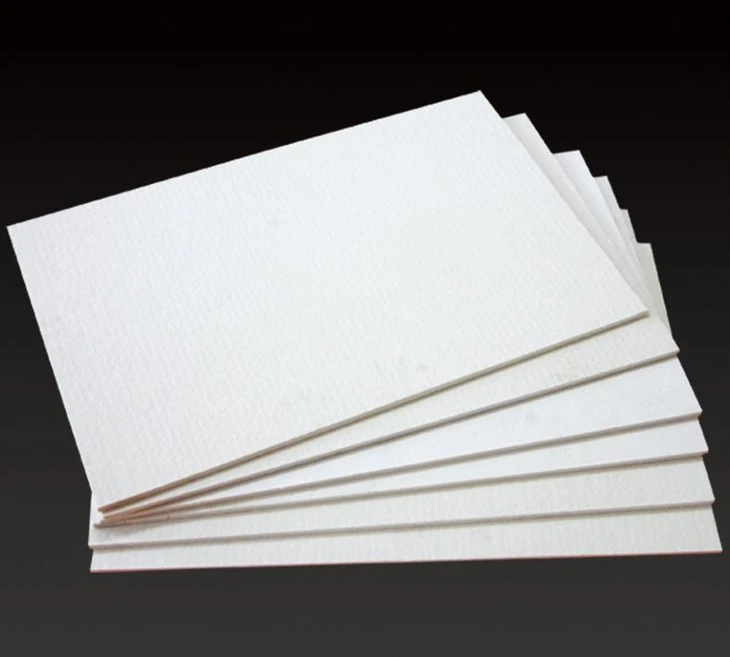
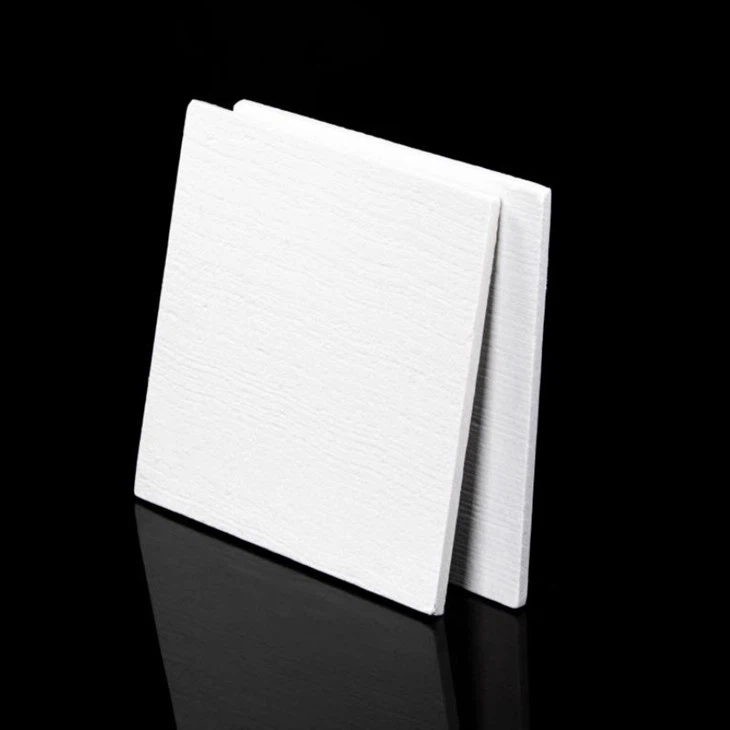
Ceramic fiber boards are commonly used as linings for industrial furnaces, where they provide excellent insulation and protection against high temperatures. Lining Ceramic Fiber Board is specifically designed for this application and can withstand repeated thermal cycling without cracking or spalling.
Kiln Insulation
In the ceramics industry, ceramic fiber boards are used to insulate kilns, which are used to fire ceramic products. 1/4 Inch Ceramic Fiber Board is a popular choice for kiln insulation due to its excellent insulation properties and ease of installation.
Heat Treatment Equipment
Ceramic fiber boards are also used in heat treatment equipment, such as annealing furnaces and tempering ovens. Refractory Ceramic Fiber Board is a high performance board that can withstand extreme temperatures and thermal cycling, making it ideal for these applications.
Best Practices for Using Ceramic Fiber Boards in Thermal Cycling Environments
To ensure the best performance and durability of ceramic fiber boards in thermal cycling environments, it is important to follow these best practices:
Choose the Right Board
Select a ceramic fiber board that is specifically designed for your application and has the appropriate density and composition. Consider factors such as temperature range, thermal cycling frequency, and chemical environment when choosing a board.
Control Heating and Cooling Rates
To prevent cracking and spalling, it is important to control the heating and cooling rates of the ceramic fiber board during thermal cycling. Use a slow heating rate of 100-200°C per hour and a slow cooling rate of 50-100°C per hour.
Inspect Regularly
Regularly inspect the ceramic fiber board for signs of damage, such as cracking, spalling, or delamination. Replace any damaged boards immediately to prevent further damage to the insulation system.
Provide Adequate Support
Ceramic fiber boards can be brittle and may require additional support to prevent cracking and spalling. Use appropriate mounting hardware and support structures to ensure the board is properly supported during thermal cycling.
Conclusion
In conclusion, understanding the behavior of ceramic fiber boards during thermal cycling is essential for ensuring their optimal performance and durability in industrial applications. By controlling the heating and cooling rates, choosing the right board composition and density, and following best practices for installation and maintenance, you can maximize the lifespan and effectiveness of your ceramic fiber board insulation.
As a supplier of high-quality ceramic fiber boards, we are committed to providing our customers with the best products and technical support. If you have any questions about the thermal cycling behavior of ceramic fiber boards or need assistance in selecting the right board for your application, please do not hesitate to contact us. We look forward to discussing your specific requirements and helping you find the perfect insulation solution.
References
- Krock, R. A., & Tressler, R. E. (1985). Thermal shock resistance of ceramics. American Ceramic Society Bulletin, 64(2), 255-262.
- Claussen, N., & Petzow, G. (1981). Fracture mechanics of ceramics. Springer Science & Business Media.
- Schneider, H., & More, K. L. (2002). Refractories handbook. CRC Press.


