


Hey there! As a supplier of ceramic fiber boards, I've had a fair share of questions about how these nifty products hold up in marine environments. So, I thought I'd dive deep into this topic and share some insights based on my experience and the knowledge I've gathered over the years.
First off, let's talk about what ceramic fiber boards are. They're made from high - quality ceramic fibers that are processed into a rigid board. These boards are known for their excellent insulation properties, high - temperature resistance, and low thermal conductivity. They're used in a wide range of industries, but the big question is how they perform when it comes to the tough and unpredictable marine world.
1. Resilience to Moisture
The marine environment is all about water, both in liquid and vapor forms. One of the major concerns when using any material in this setting is its ability to handle moisture. Ceramic fiber boards are generally hydrophobic, which means they don't readily absorb water. This is a huge advantage in marine applications.
When a boat is out at sea, it's constantly exposed to splashes, rain, and high humidity. If a material absorbs water, it can lead to a whole host of problems like corrosion (if it's a metal component), mold growth, and a decrease in insulation performance. But ceramic fiber boards keep their integrity even when they come into contact with water. They don't swell or lose their shape, maintaining their insulation properties over time. For example, in engine rooms on ships, where there might be some water leakage from pipes, our Ceramic Fibre Board 50mm can be used to insulate the machinery without worrying about water damage.
2. Resistance to Saltwater
Saltwater is a whole different ballgame compared to regular water. It's highly corrosive and can eat away at many materials over time. Ceramic fiber boards are quite resistant to the corrosive effects of saltwater. The chemical composition of the ceramic fibers doesn't react easily with the salts present in the ocean water.
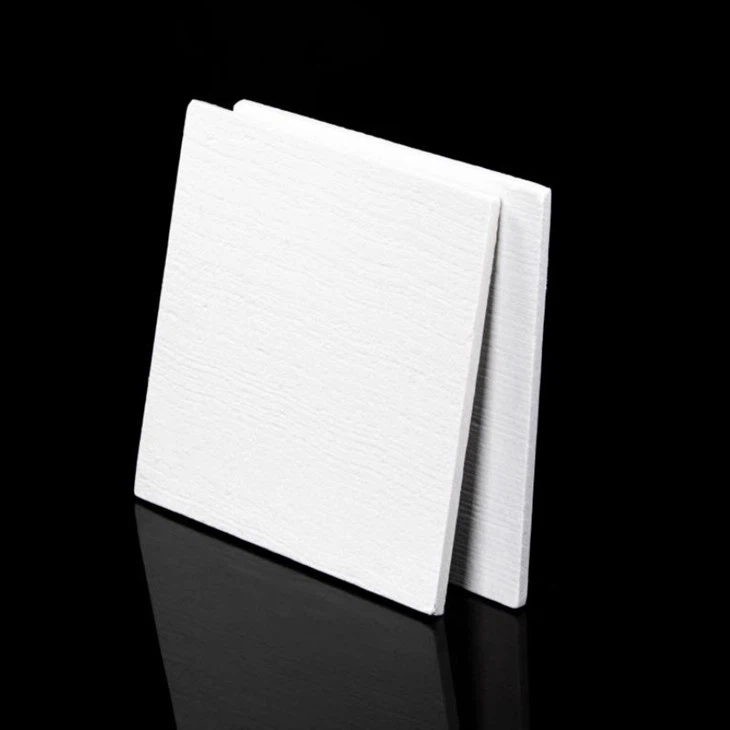

Think about the decks of offshore oil platforms or the hulls of ships near the waterline. These areas are constantly exposed to salt spray and direct contact with saltwater. If you use a material that isn't salt - resistant, you'll end up with rusted and deteriorated components. But ceramic fiber boards can be used as a protective layer or for insulation purposes in these areas. They can withstand the harsh conditions and extend the lifespan of the surrounding structures.
3. High - Temperature Performance
In marine engines, high temperatures are a norm. The engine rooms can get extremely hot, and proper insulation is crucial to prevent heat transfer to other parts of the ship, which could lead to malfunctions or even fire hazards. Ceramic fiber boards are renowned for their high - temperature resistance. They can withstand temperatures up to 1260°C (2300°F) or even higher, depending on the type of board.
For instance, in a large cargo ship's engine, the exhaust system gets super hot. Our 1/4 Inch Ceramic Fiber Board can be used to insulate the exhaust pipes, reducing heat loss and keeping the engine room at a manageable temperature. This not only improves the efficiency of the engine but also enhances the safety of the crew on board.
4. Fire Resistance
Fire is one of the biggest threats in a marine environment. A small fire can quickly turn into a disaster on a ship, where escape routes are limited and the presence of fuel and other flammable materials is high. Ceramic fiber boards are non - combustible, which makes them an ideal choice for fire protection in marine vessels.
They can be used to create fire barriers in cabins, engine rooms, and storage areas. For example, in the accommodation areas of a cruise ship, installing ceramic fiber boards as fire partitions can buy precious time for passengers and crew to evacuate in case of a fire. Moreover, their low thermal conductivity means that they slow down the spread of heat, further reducing the risk of a fire spreading out of control.
5. Sound Insulation
In addition to thermal and fire insulation, ceramic fiber boards also offer good sound insulation properties. This is important in marine environments, especially on passenger ships and yachts where noise from engines, waves, and wind can be a nuisance.
By installing our Ceramic Fiber Product Shaped in the walls and ceilings of cabins and common areas, the noise levels can be significantly reduced, providing a more comfortable experience for the people on board. The ceramic fibers absorb sound waves, preventing them from traveling through the structure of the ship.
6. Lightweight Advantage
Weight is a critical factor in marine design. Every extra pound means more fuel consumption and a decrease in the ship's overall performance. Ceramic fiber boards are relatively lightweight compared to many other insulation materials. This makes them an attractive option for marine applications.
Whether it's a small fishing boat or a large ocean - going liner, using lightweight ceramic fiber boards for insulation helps to keep the weight down. This, in turn, allows for more efficient operation of the vessel, better fuel economy, and potentially higher speeds.
7. Installation and Maintenance
Another aspect to consider is how easy the ceramic fiber boards are to install and maintain. They're quite flexible in terms of installation. They can be cut, shaped, and fitted into different spaces without much hassle. This is important in the complex and cramped spaces found on ships and offshore platforms.
Maintenance is also a breeze. Since they're resistant to moisture, salt, and fire, there's not much you need to do to keep them in good condition. Just an occasional inspection to make sure they're still in place and intact is usually enough.
Wrapping It Up and Invitation to Connect
In conclusion, ceramic fiber boards are a top - notch choice for marine environments. Their performance in terms of moisture and saltwater resistance, high - temperature and fire protection, sound insulation, and lightweight nature makes them highly suitable for a wide range of applications on ships, boats, and offshore structures.
If you're in the marine industry and are looking for reliable insulation solutions, I'd love to chat with you. We've got a great range of ceramic fiber boards that can meet your specific needs. Whether you need them for a small pleasure boat or a large commercial vessel, we've got you covered. Reach out to start a conversation about how our products can enhance the safety, efficiency, and comfort of your marine operations.
References
- "Marine Materials and Corrosion" by Jones, D. A.
- "High - Temperature Insulation Materials" by Powell, W. D.


