


Hey there! As a supplier of Ceramic Fiber Product Shaped, I've gotten a ton of questions about how these products react to acids and alkalis. So, I thought I'd break it down in this blog post to help you understand what's going on.
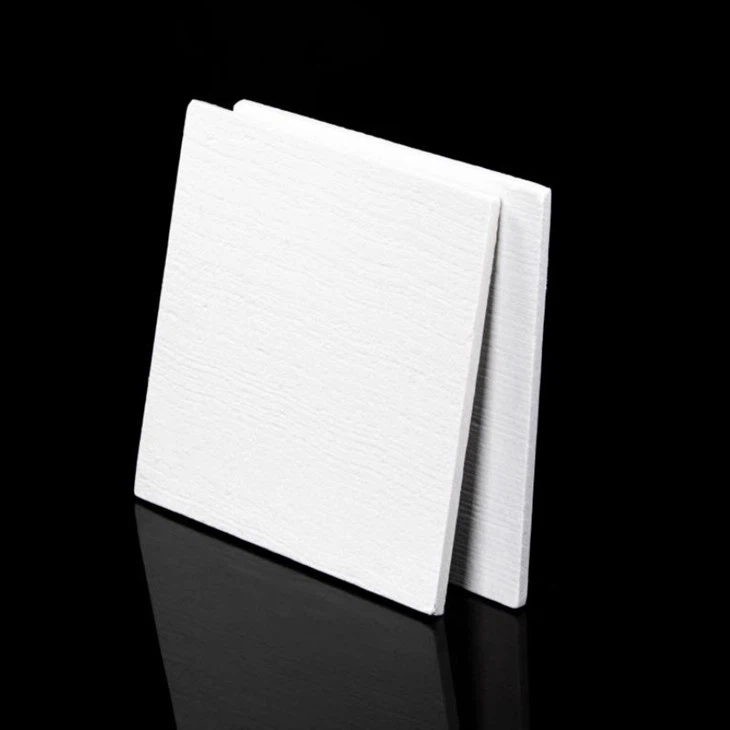
First off, let's talk a bit about ceramic fiber products. They're super useful in a whole bunch of industries, from manufacturing to construction. They're great at insulating, which means they can keep heat in or out depending on what you need. You can find them in different shapes and sizes, like the 1/4 Inch Ceramic Fiber Board and the Ceramic Fiber Vacuum Formed Special Shape.
Now, when it comes to acids and alkalis, ceramic fiber products have different reactions. Acids are substances that can donate protons in a chemical reaction and have a pH less than 7. On the other hand, alkalis are substances that can accept protons and have a pH greater than 7.
Let's start with acids. When ceramic fiber products come into contact with acids, the reaction depends on the type and concentration of the acid. Weak acids, like acetic acid (the stuff in vinegar), usually don't cause much damage. They might react a little bit with the surface of the ceramic fiber, but it's not going to break down the product completely.
However, strong acids, such as sulfuric acid or hydrochloric acid, are a different story. These acids can be pretty aggressive. They can react with the components of the ceramic fiber, like the metal oxides in Refractory Ceramic Fiber Board. The acid can dissolve some of these oxides, which weakens the structure of the fiber. Over time, this can lead to the fiber losing its insulating properties and becoming brittle.

The reaction rate also matters. If the ceramic fiber is exposed to a high - concentration acid for a long time, the damage will be more severe. For example, if you leave a piece of ceramic fiber in a strong acid solution for days, it'll probably start to fall apart. But if it's just a quick splash and then it's rinsed off, the damage might be minimal.
Now, let's move on to alkalis. Similar to acids, the reaction of ceramic fiber products with alkalis depends on the strength and concentration. Weak alkalis, like ammonia solution, usually have a mild effect. They might cause a little surface corrosion, but the overall integrity of the fiber is mostly intact.
Strong alkalis, such as sodium hydroxide or potassium hydroxide, can be quite harsh. These alkalis can react with the silica in the ceramic fiber. Silica is a major component in many ceramic fiber products, and when it reacts with strong alkalis, it forms silicates. This reaction can break down the fiber structure, making it less effective as an insulator.
Another factor to consider is the temperature. At higher temperatures, the reactions between ceramic fiber products and acids or alkalis are often faster. This is because heat provides the energy needed for the chemical reactions to occur more readily. So, if you're using ceramic fiber in an environment where there are acids or alkalis and high temperatures, you need to be extra careful.
There are ways to protect ceramic fiber products from the effects of acids and alkalis. One option is to use a protective coating. A good coating can act as a barrier between the fiber and the corrosive substances. There are also some types of ceramic fibers that are more resistant to acids and alkalis. These are often made with special additives or have a different chemical composition.
When choosing a ceramic fiber product for an environment with acids or alkalis, you need to think about a few things. First, know the type and concentration of the acids or alkalis present. Then, consider the temperature and the duration of exposure. Based on these factors, you can select the most suitable product.
If you're in the market for ceramic fiber products and need something that can handle acids or alkalis, we've got you covered. We offer a wide range of high - quality ceramic fiber products, including the ones I mentioned earlier. Whether you need a simple 1/4 Inch Ceramic Fiber Board or a custom - shaped Ceramic Fiber Vacuum Formed Special Shape, we can help.
If you have any questions or want to discuss your specific requirements, don't hesitate to reach out. We're here to assist you in finding the best ceramic fiber solution for your needs. Whether it's for a small project or a large - scale industrial application, we can work with you to ensure you get the right product.
In conclusion, understanding how ceramic fiber products react to acids and alkalis is crucial for their proper use. By being aware of the factors that affect these reactions and taking appropriate precautions, you can make the most of these great insulating materials. So, if you're looking for reliable ceramic fiber products, give us a shout and let's start the conversation.
References
- "Ceramic Fibers: Properties and Applications" by an industry research group
- "Chemical Reactions of Inorganic Materials" in a well - known chemistry textbook


