


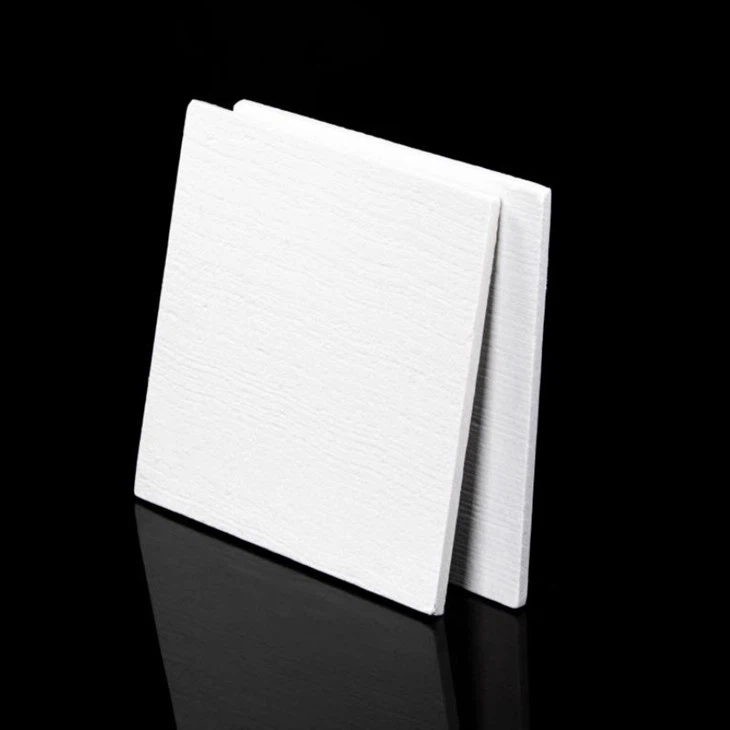
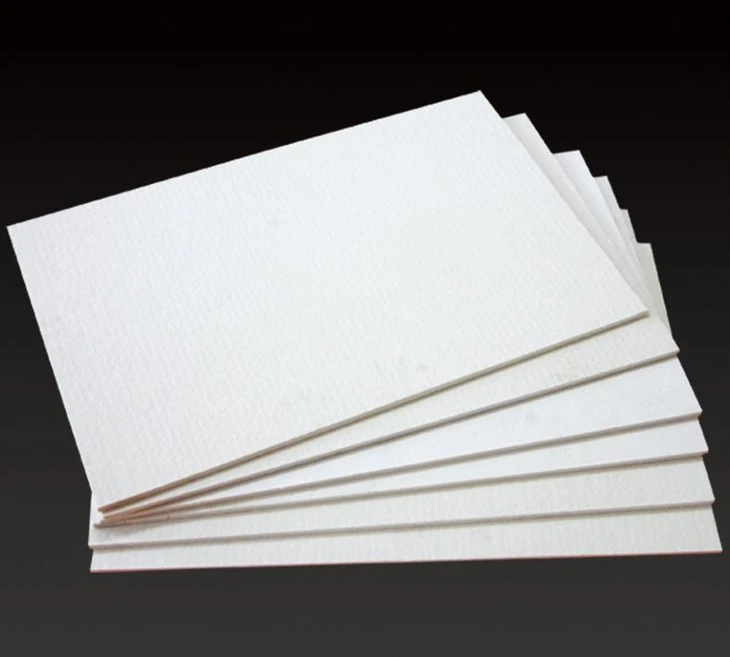
As a supplier of Lining Ceramic Fiber Board, I understand the critical role that density plays in the performance and functionality of this product. The density of Lining Ceramic Fiber Board can significantly impact its insulation properties, mechanical strength, and overall suitability for various applications. In this blog, I will share some insights on how to adjust the density of Lining Ceramic Fiber Board during production, drawing from my years of experience in the industry.
Understanding the Importance of Density
Before delving into the methods of adjusting density, it's essential to understand why density matters in Lining Ceramic Fiber Board. The density of the board is directly related to its thermal conductivity, which is the measure of how well a material conducts heat. A lower density board generally has lower thermal conductivity, meaning it is a better insulator. This makes it ideal for applications where heat retention or prevention of heat transfer is crucial, such as in industrial furnaces, kilns, and high-temperature insulation systems.
On the other hand, a higher density board offers greater mechanical strength and durability. It can withstand more physical stress and is less likely to break or crumble during handling or installation. High-density boards are often used in applications where the board needs to support its own weight or withstand external pressure, such as in lining applications or as structural components in insulation systems.
Factors Affecting the Density of Lining Ceramic Fiber Board
Several factors can influence the density of Lining Ceramic Fiber Board during production. Understanding these factors is key to effectively adjusting the density to meet the specific requirements of different applications.
Fiber Composition
The type and quality of ceramic fibers used in the board have a significant impact on its density. Different types of ceramic fibers have different physical properties, including density and diameter. For example, alumina-silica fibers are commonly used in Lining Ceramic Fiber Board due to their high-temperature resistance and low thermal conductivity. By adjusting the ratio of different fiber types or using fibers with different diameters, the density of the board can be controlled.
Binder Content
Binders are used in the production of Lining Ceramic Fiber Board to hold the fibers together and provide structural integrity. The amount and type of binder used can affect the density of the board. A higher binder content generally results in a higher density board, as the binder adds weight to the final product. However, too much binder can also reduce the insulation properties of the board, so finding the right balance is crucial.
Forming Process
The method used to form the Lining Ceramic Fiber Board can also influence its density. There are several forming processes available, including wet forming, dry forming, and vacuum forming. Each process has its own characteristics and can result in different densities. For example, wet forming typically produces a more uniform and dense board, while dry forming may result in a lighter and more porous board.
Compression
Compression is a common method used to adjust the density of Lining Ceramic Fiber Board. By applying pressure during the forming process, the fibers can be packed more closely together, increasing the density of the board. The amount of compression applied can be adjusted to achieve the desired density. However, it's important to note that excessive compression can damage the fibers and reduce the insulation properties of the board.
Methods for Adjusting the Density of Lining Ceramic Fiber Board
Based on the factors mentioned above, here are some common methods for adjusting the density of Lining Ceramic Fiber Board during production:
Adjusting the Fiber Composition
As mentioned earlier, the type and ratio of ceramic fibers used in the board can affect its density. By carefully selecting the fibers and adjusting their proportions, the density of the board can be controlled. For example, using a higher proportion of fine-diameter fibers can result in a higher density board, while using a higher proportion of coarse-diameter fibers can result in a lower density board.
Controlling the Binder Content
The amount of binder used in the production of Lining Ceramic Fiber Board can be adjusted to control its density. A higher binder content will generally result in a higher density board, but it's important to find the right balance to ensure that the insulation properties of the board are not compromised. The type of binder used can also affect the density and other properties of the board, so it's important to choose a binder that is suitable for the specific application.
Selecting the Appropriate Forming Process
The forming process used to produce the Lining Ceramic Fiber Board can have a significant impact on its density. As mentioned earlier, wet forming typically produces a more uniform and dense board, while dry forming may result in a lighter and more porous board. By selecting the appropriate forming process based on the desired density and other properties of the board, the density can be effectively controlled.
Applying Compression
Compression is a simple and effective method for adjusting the density of Lining Ceramic Fiber Board. By applying pressure during the forming process, the fibers can be packed more closely together, increasing the density of the board. The amount of compression applied can be adjusted to achieve the desired density. However, it's important to note that excessive compression can damage the fibers and reduce the insulation properties of the board, so it's important to use the appropriate amount of compression.
Quality Control and Testing
Once the density of the Lining Ceramic Fiber Board has been adjusted during production, it's important to conduct quality control and testing to ensure that the board meets the required specifications. This can include measuring the density of the board using a density meter, testing the thermal conductivity of the board using a thermal conductivity meter, and conducting mechanical strength tests to ensure that the board can withstand the required physical stress.
By conducting regular quality control and testing, any issues with the density or other properties of the board can be identified and addressed before the board is shipped to the customer. This helps to ensure that the customer receives a high-quality product that meets their specific requirements.
Conclusion
Adjusting the density of Lining Ceramic Fiber Board during production is a critical process that can significantly impact the performance and functionality of the product. By understanding the factors that affect density and using the appropriate methods for adjusting it, manufacturers can produce Lining Ceramic Fiber Board with the desired density and other properties to meet the specific requirements of different applications.
As a supplier of Lining Ceramic Fiber Board, we are committed to providing high-quality products that meet the highest standards of performance and reliability. We have extensive experience in adjusting the density of Lining Ceramic Fiber Board and can work with you to develop a solution that meets your specific needs.
If you are interested in learning more about our Lining Ceramic Fiber Board or would like to discuss your specific requirements, please contact us. Our team of experts will be happy to assist you and provide you with the information and support you need.
References
- Ceramic Fiber Insulation Handbook
- Industrial Furnace Design and Operation Manual
- Thermal Insulation Materials and Applications Guide


