


Determining the appropriate thickness of a ceramic fiber blanket for a kiln is a crucial decision that can significantly impact the kiln's performance, energy efficiency, and overall longevity. As a supplier of Ceramic Fiber Blanket for Kiln, I understand the importance of providing customers with accurate information to make informed choices. In this blog post, I will share some key factors to consider when determining the thickness of a ceramic fiber blanket for your kiln.
Understanding the Basics of Ceramic Fiber Blankets
Ceramic fiber blankets are widely used in kilns due to their excellent thermal insulation properties, high-temperature resistance, and low thermal conductivity. These blankets are made from ceramic fibers that are spun into a flexible, lightweight material. They are available in various densities and thicknesses, each designed to meet specific application requirements.
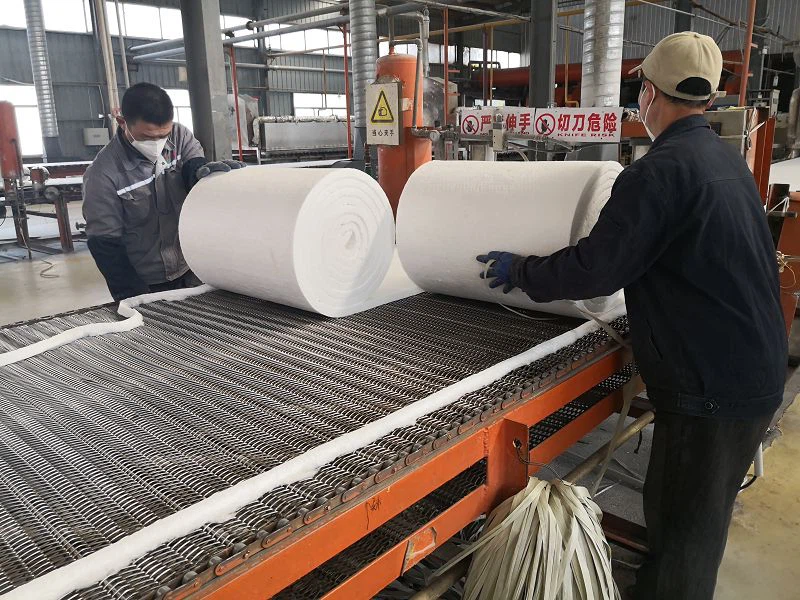

The primary function of a ceramic fiber blanket in a kiln is to reduce heat loss and maintain a consistent temperature inside the kiln chamber. By minimizing heat transfer through the kiln walls, the blanket helps to improve energy efficiency, reduce operating costs, and enhance the quality of the firing process.
Factors to Consider When Determining Thickness
1. Operating Temperature
The operating temperature of the kiln is one of the most critical factors in determining the appropriate thickness of the ceramic fiber blanket. Higher temperatures require thicker blankets to provide adequate insulation and prevent heat loss. As a general rule, the higher the temperature, the greater the thickness of the blanket needed.
For example, a kiln operating at a relatively low temperature of around 1000°F (538°C) may require a ceramic fiber blanket with a thickness of 1 to 2 inches. In contrast, a high-temperature kiln operating at 2300°F (1260°C) or more may need a blanket that is 3 to 4 inches thick or even thicker. Our 2300F Ceramic Fibre Blanket is specifically designed to withstand these extreme temperatures and provides excellent insulation performance.
2. Heat Loss Requirements
Another important consideration is the desired level of heat loss reduction. If you are looking to minimize heat loss and improve energy efficiency, a thicker ceramic fiber blanket will generally provide better results. However, it's important to balance the need for insulation with other factors such as cost and available space.
To determine the heat loss requirements, you can calculate the heat transfer rate through the kiln walls using thermal conductivity data for the ceramic fiber blanket. This calculation will help you estimate the amount of heat that is being lost and determine the appropriate thickness of the blanket to achieve the desired level of insulation.
3. Kiln Size and Design
The size and design of the kiln also play a role in determining the thickness of the ceramic fiber blanket. Larger kilns typically require thicker blankets to provide adequate insulation, as there is more surface area for heat to escape. Additionally, the shape and configuration of the kiln can affect the heat distribution and insulation requirements.
For example, a kiln with a complex shape or multiple chambers may require a more customized insulation solution to ensure uniform temperature distribution. In some cases, it may be necessary to use different thicknesses of ceramic fiber blankets in different areas of the kiln to optimize insulation performance.
4. Installation Method
The installation method of the ceramic fiber blanket can also impact the thickness requirements. If the blanket is installed in a single layer, a thicker blanket may be needed to provide sufficient insulation. However, if the blanket is installed in multiple layers, a thinner blanket can be used, as the multiple layers work together to increase the overall insulation value.
When installing the ceramic fiber blanket, it's important to follow the manufacturer's recommendations and ensure proper installation techniques are used. This will help to maximize the insulation performance of the blanket and prevent any gaps or voids that could allow heat to escape.
5. Cost Considerations
Cost is always a factor when making any purchasing decision, and the thickness of the ceramic fiber blanket is no exception. Thicker blankets generally cost more than thinner blankets, so it's important to consider your budget when determining the appropriate thickness.
However, it's important to remember that investing in a higher-quality, thicker ceramic fiber blanket can result in long-term cost savings. By reducing heat loss and improving energy efficiency, the blanket can help to lower operating costs and extend the lifespan of the kiln.
Calculating the Appropriate Thickness
To calculate the appropriate thickness of the ceramic fiber blanket for your kiln, you can use the following steps:
- Determine the operating temperature of the kiln: This information can usually be found in the kiln's specifications or by consulting the manufacturer.
- Calculate the heat transfer rate through the kiln walls: This can be done using thermal conductivity data for the ceramic fiber blanket and the surface area of the kiln walls.
- Determine the desired level of heat loss reduction: Based on your energy efficiency goals and operating costs, decide how much heat loss you want to reduce.
- Select the appropriate thickness of the ceramic fiber blanket: Using the heat transfer rate and desired heat loss reduction, refer to the manufacturer's guidelines or insulation charts to select the appropriate thickness of the blanket.
It's important to note that these calculations are only estimates, and the actual thickness of the ceramic fiber blanket may need to be adjusted based on other factors such as kiln size, design, and installation method.
Conclusion
Determining the appropriate thickness of a ceramic fiber blanket for a kiln is a complex process that requires careful consideration of several factors. By taking into account the operating temperature, heat loss requirements, kiln size and design, installation method, and cost considerations, you can select the right thickness of the blanket to meet your specific needs.
As a supplier of Ceramic Fiber Blanket for Kiln, we are committed to providing our customers with high-quality insulation products and expert advice. If you have any questions or need assistance in determining the appropriate thickness of a ceramic fiber blanket for your kiln, please don't hesitate to contact us. We would be happy to help you make the right decision and ensure the optimal performance of your kiln.
References
- Ceramic Fiber Insulation Handbook
- Thermal Insulation Engineering Principles
- Kiln Design and Operation Guidelines


