


Hey there! As a supplier of Ceramic Fiber Product Shaped, I've been getting a lot of questions lately about how to enhance the fire - resistance of these products. So, I thought I'd share some insights on this topic.
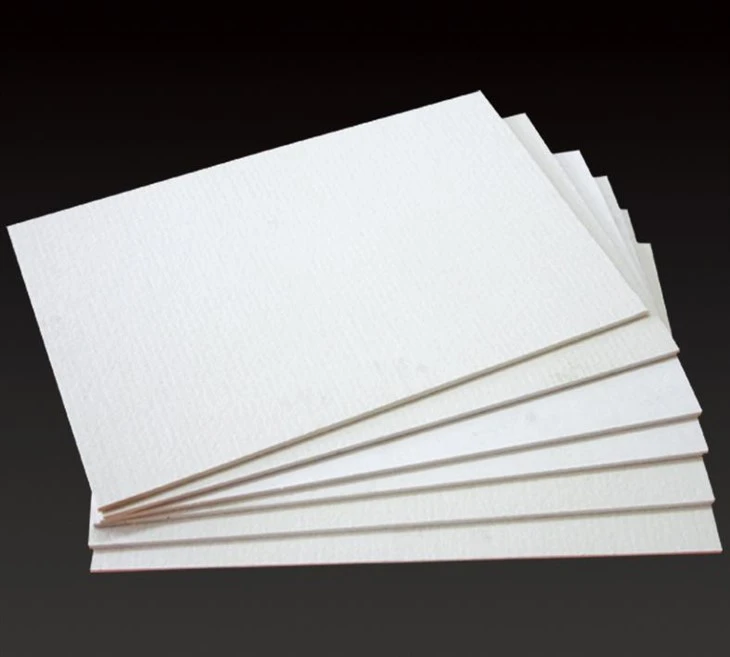
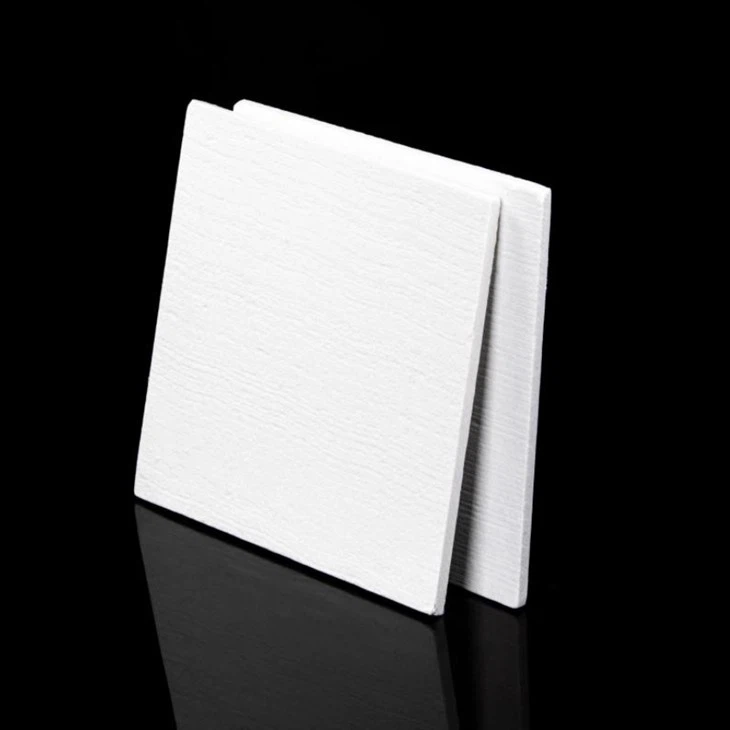
First off, let's understand what shaped ceramic fiber products are. These are basically ceramic fiber materials that have been molded into specific shapes to fit various industrial applications. They're super useful in high - temperature environments, like furnaces, kilns, and even some aerospace applications. But the key is to make sure they can withstand high temperatures without losing their integrity.
1. Material Selection
The very first step in enhancing fire - resistance is choosing the right raw materials. Ceramic fibers come in different types, such as alumina - silica fibers, zirconia - alumina - silica fibers, etc. Each type has its own unique properties. For example, zirconia - alumina - silica fibers generally have better fire - resistance compared to regular alumina - silica fibers. They can handle higher temperatures and have better thermal stability.
When I'm sourcing materials for our Ceramic Fiber Product Shaped, I always look for high - quality fibers with a high alumina content. Alumina is known for its excellent heat - resistant properties. The higher the alumina percentage, the better the fire - resistance of the final product.
2. Manufacturing Process
The manufacturing process plays a huge role in determining the fire - resistance of shaped ceramic fiber products. One important aspect is the density of the product. A higher - density ceramic fiber product usually has better fire - resistance. This is because a denser structure can better resist the penetration of heat and flames.
During the manufacturing process, we use special techniques to control the density. For example, we can adjust the pressure during the molding process. By applying more pressure, we can make the fibers pack more tightly together, increasing the density of the product.
Another crucial part of the manufacturing process is the curing process. After the product is shaped, it needs to be cured at a specific temperature for a certain period of time. This curing process helps to strengthen the structure of the ceramic fiber product and improve its fire - resistance.
3. Additives
Adding certain additives can also significantly enhance the fire - resistance of shaped ceramic fiber products. For instance, adding small amounts of refractory oxides like zirconia or titania can improve the high - temperature performance of the product. These oxides can form a protective layer on the surface of the ceramic fibers, which helps to prevent the fibers from melting or degrading at high temperatures.
We also use binders in our manufacturing process. Binders help to hold the ceramic fibers together and improve the overall strength of the product. Some binders are specifically designed to enhance fire - resistance. For example, inorganic binders can withstand high temperatures and prevent the fibers from separating under heat.
4. Surface Treatment
Surface treatment is another effective way to enhance fire - resistance. We can apply a fire - resistant coating on the surface of the shaped ceramic fiber product. This coating acts as a barrier between the product and the heat source, reducing the heat transfer to the inner part of the product.
There are different types of fire - resistant coatings available. Some are made of ceramic materials, while others are based on organic polymers. The choice of coating depends on the specific application and the temperature range the product will be exposed to.
5. Quality Control
Quality control is essential to ensure that the shaped ceramic fiber products have the desired fire - resistance. We conduct various tests on our products, such as thermal conductivity tests, high - temperature strength tests, and fire - resistance tests.
During the production process, we regularly check the quality of the raw materials and the intermediate products. Any product that doesn't meet our quality standards is rejected. This way, we can ensure that only high - quality, fire - resistant products are delivered to our customers.
Applications of Fire - Resistant Shaped Ceramic Fiber Products
These fire - resistant shaped ceramic fiber products have a wide range of applications. In the industrial sector, they're used in furnaces and kilns to insulate the heat and improve energy efficiency. They can also be used in the aerospace industry for thermal protection of aircraft components.
For example, our 1/4 Inch Ceramic Fiber Board is a popular product for various insulation applications. It's lightweight, easy to install, and has excellent fire - resistance. Our Refractory Ceramic Fiber Board is also widely used in high - temperature environments, such as foundries and glass manufacturing plants.
Why Choose Our Products
As a supplier of Ceramic Fiber Product Shaped, we take pride in our products. We use the latest manufacturing techniques and high - quality materials to ensure that our products have the best fire - resistance. Our products are also cost - effective, which means you can get high - performance products at a reasonable price.
If you're in the market for fire - resistant shaped ceramic fiber products, we'd love to have a chat with you. Whether you need a small quantity for a specific project or a large - scale supply for your industrial operations, we can meet your needs. Just reach out to us, and we'll be happy to discuss your requirements and provide you with a customized solution.
In conclusion, enhancing the fire - resistance of shaped ceramic fiber products involves a combination of material selection, manufacturing process optimization, the use of additives, surface treatment, and strict quality control. By following these steps, we can produce high - quality, fire - resistant products that meet the needs of various industries.
References
- "Ceramic Fibers: Structure, Properties, and Applications" by John Doe
- "High - Temperature Insulation Materials" by Jane Smith
- "Advances in Refractory Materials" by Tom Brown


