


As a supplier of Lining Ceramic Fiber Board, I've encountered numerous situations where customers face the challenge of handling damaged boards. In this blog, I'll share some practical and scientific approaches to address this issue, ensuring that you can make the most of your investment in these high - performance insulation materials.
Understanding the Causes of Damage
Before delving into the solutions, it's crucial to understand what causes damage to Lining Ceramic Fiber Boards. These boards are known for their excellent thermal insulation properties, high temperature resistance, and low thermal conductivity. However, they can still be damaged under certain circumstances.
Physical Impact
One of the most common causes is physical impact. During transportation or installation, if the boards are not handled with care, they can be scratched, chipped, or even broken. For example, dropping a heavy object on the board or hitting it with a hard tool can lead to visible damage.
Thermal Stress
Thermal stress can also cause damage. When the board is exposed to rapid temperature changes, the expansion and contraction of the material can create internal stresses. Over time, these stresses can lead to cracks or delamination of the board. This is particularly common in applications where the board is used in high - temperature environments with frequent heating and cooling cycles.
Chemical Corrosion
In some industrial settings, the board may be exposed to chemicals that can corrode the ceramic fiber material. Acids, alkalis, and certain solvents can react with the fibers, weakening the structure of the board and reducing its performance.
Assessing the Damage
Once you've identified the possible causes of damage, the next step is to assess the extent of the damage. This will help you determine the most appropriate course of action.
Visual Inspection
Start with a visual inspection. Look for obvious signs of damage such as cracks, chips, or discoloration. Pay attention to the edges and corners of the board, as these areas are more vulnerable to damage. If the damage is minor, such as a small scratch or chip, it may be possible to repair the board. However, if the damage is extensive, such as large cracks or significant delamination, the board may need to be replaced.
Performance Testing
In addition to visual inspection, you may also want to conduct performance testing. This can include measuring the thermal conductivity of the board or checking its resistance to high temperatures. If the performance of the board has been significantly affected by the damage, it's likely that the board needs to be replaced.
Repairing Minor Damage
For minor damage, such as small scratches or chips, there are several repair methods that you can try.
Patching
One option is to use a ceramic fiber patch. You can purchase pre - made patches from Lining Ceramic Fiber Board suppliers or make your own using ceramic fiber material. To apply the patch, clean the damaged area thoroughly and then use a high - temperature adhesive to attach the patch. Make sure to smooth out any air bubbles and allow the adhesive to cure completely before using the board.
Filling
If the damage is a small hole or crack, you can fill it with a ceramic fiber filler. Similar to the patching method, clean the damaged area first and then apply the filler. Use a putty knife to smooth the filler and ensure that it is level with the surface of the board. Once the filler has dried, you can sand it down to make it flush with the surrounding area.
Replacing Severely Damaged Boards
When the damage is severe, replacement is often the best option. Here are the steps to follow when replacing a damaged board.
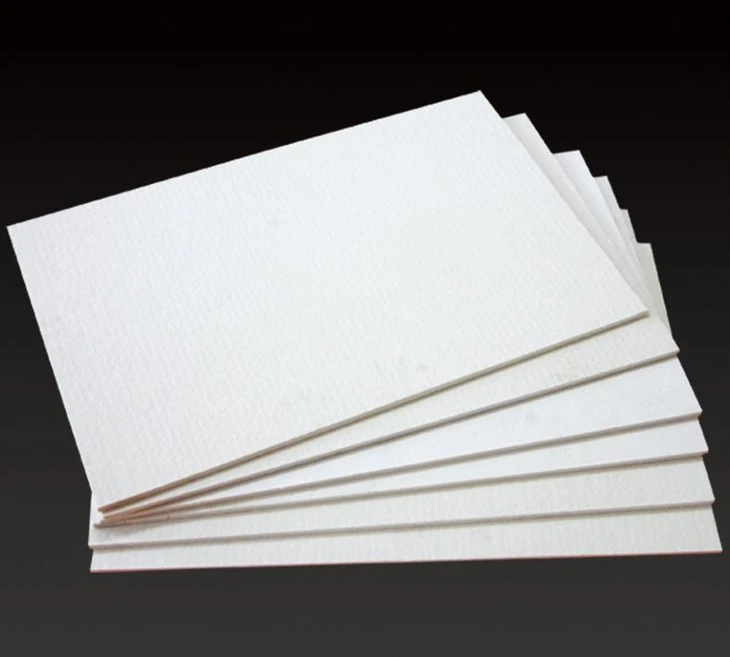

Removal
First, carefully remove the damaged board. Make sure to follow all safety procedures, as the ceramic fiber material can be a health hazard if inhaled. Wear protective clothing, gloves, and a respirator when handling the board. Use a suitable tool, such as a utility knife or a saw, to cut the board away from its mounting.
Selection of Replacement Board
Choose a replacement board that is compatible with your application. Consider factors such as the temperature rating, thickness, and density of the board. You can find a wide range of options, including 1/4 Inch Ceramic Fiber Board and Ceramic Fiber Vacuum Formed Special Shape on our website.
Installation
Install the new board following the manufacturer's instructions. Make sure to align the board properly and secure it firmly in place. Use the appropriate mounting hardware and ensure that the board is sealed to prevent heat loss or the ingress of contaminants.
Preventing Future Damage
To minimize the risk of future damage, it's important to take preventive measures.
Proper Handling
During transportation and installation, handle the boards with care. Use appropriate lifting equipment and avoid dropping or hitting the boards. Store the boards in a dry and clean environment to prevent moisture damage and contamination.
Temperature Control
In applications where the boards are exposed to high temperatures, use proper temperature control systems to avoid rapid temperature changes. This can help reduce thermal stress and extend the lifespan of the boards.
Chemical Protection
If the boards are used in a chemical - rich environment, consider using protective coatings or barriers to prevent chemical corrosion. Regularly monitor the chemical exposure and take appropriate action if necessary.
Conclusion
Handling damaged Lining Ceramic Fiber Boards requires a systematic approach. By understanding the causes of damage, assessing the extent of the damage, and choosing the appropriate repair or replacement method, you can ensure the continued performance of your insulation system. Remember, prevention is always better than cure, so take proactive measures to prevent future damage.
If you have any questions about handling damaged Lining Ceramic Fiber Boards or are interested in purchasing our products, we invite you to contact us for further discussion. We are committed to providing you with high - quality products and professional solutions.
References
- Ceramic Fiber Insulation Handbook. [Publisher name not provided], [Year not provided].
- Industrial Insulation Technology. [Author name not provided], [Publisher name not provided], [Year not provided].


