


Hey there! As a supplier of Ceramic Fiber Blanket for Kiln, I get a lot of questions about the expansion and contraction characteristics of these blankets. So, let's dive right in and talk about what makes these ceramic fiber blankets tick when it comes to expanding and contracting.
Understanding the Basics of Ceramic Fiber Blanket
First off, ceramic fiber blankets are super important in kiln applications. They're used for insulation, which helps to keep the heat inside the kiln and improve energy efficiency. But their performance depends a lot on how they expand and contract with changes in temperature.
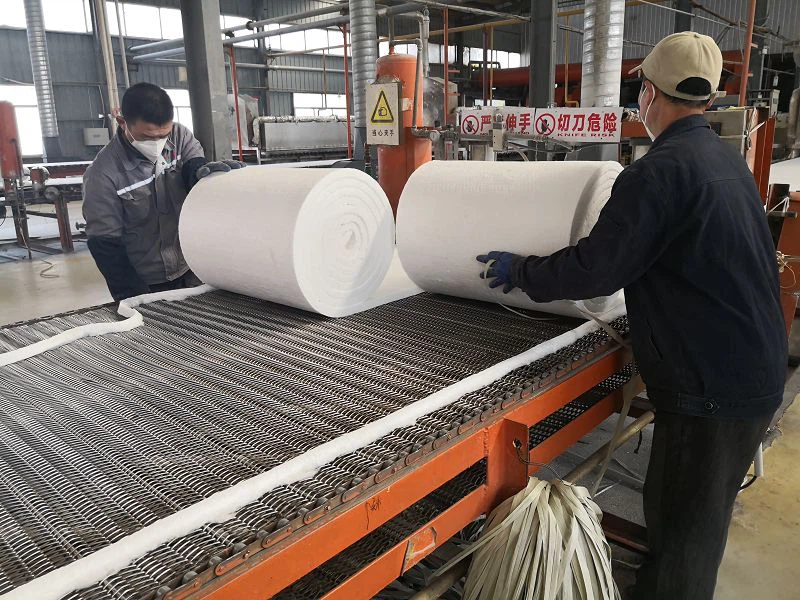
Ceramic fiber blankets are made from ceramic fibers, which are tiny, strong, and heat - resistant. These fibers are woven or matted together to form a blanket that can be easily installed in kilns. The way these fibers behave when heated or cooled is what determines the expansion and contraction of the blanket.
Expansion Characteristics
When we talk about expansion, it's all about what happens when you heat up the ceramic fiber blanket. In a kiln, temperatures can rise quite high, and the blanket needs to handle that heat without falling apart.
Thermal Expansion
The primary type of expansion we see is thermal expansion. As the temperature of the ceramic fiber blanket increases, the molecules in the ceramic fibers start to move more vigorously. This causes the fibers to expand in length and volume.
The rate of thermal expansion is affected by a few factors. The first one is the type of ceramic material used in the blanket. Different ceramics have different coefficients of thermal expansion. For example, some high - alumina ceramic fiber blankets might expand at a different rate compared to those with more silica content.
Another factor is the temperature range. In general, the higher the temperature, the more the blanket will expand. However, this expansion isn't always linear. At lower temperatures, the expansion might be relatively small and slow. But as the temperature crosses certain thresholds, the expansion can become more rapid.
Let's say you're using a Ceramic Fiber Blanket for Kiln in a kiln that goes from room temperature up to around 1500°F. At lower temperatures, say from room temperature to 500°F, the expansion might be barely noticeable. But as you keep increasing the temperature towards 1500°F, you'll start to see a more significant change in the size of the blanket.
Impact on Kiln Efficiency
This expansion can have a real impact on kiln efficiency. If the blanket expands too much, it might put pressure on the kiln structure. This could lead to cracks in the kiln lining or other damage over time. On the other hand, if the expansion is well - controlled, the blanket can form a tight seal around the kiln, preventing heat from escaping.
Contraction Characteristics
Just as important as expansion is contraction, which happens when the kiln cools down.

Cooling and Contraction
When the kiln starts to cool, the ceramic fiber blanket contracts. The molecules in the fibers slow down and come closer together, reducing the length and volume of the blanket. Similar to expansion, the rate of contraction is affected by the type of ceramic material and the temperature change.
If the cooling process is too rapid, the blanket might contract too quickly. This can cause internal stresses in the blanket, leading to cracks or even breakage. That's why it's often recommended to have a slow and controlled cooling process for kilns using ceramic fiber blankets.
For instance, if you have a 2300F Ceramic Fibre Blanket and you cool the kiln too fast from 2300°F to room temperature, the blanket might not be able to handle the rapid contraction. This could result in the blanket losing its integrity and not providing effective insulation in future uses.
Repeated Expansion and Contraction
Ceramic fiber blankets in kilns go through repeated cycles of expansion and contraction. This is known as thermal cycling. Over time, these cycles can cause wear and tear on the blanket. The fibers can become brittle and break, reducing the effectiveness of the insulation.
However, high - quality ceramic fiber blankets are designed to withstand a certain number of thermal cycles. They're made with materials and manufacturing processes that help them maintain their structure and performance even after multiple expansions and contractions.
How to Choose the Right Blanket Based on Expansion and Contraction
When you're looking to buy a ceramic fiber blanket for your kiln, understanding these expansion and contraction characteristics is crucial.
Consider the Temperature Range
First, think about the temperature range your kiln operates in. If you have a kiln that reaches very high temperatures, you'll need a blanket with a high - temperature tolerance and a stable expansion/contraction rate. For example, a 2 Inch Ceramic Fiber Blanket might be a good choice for a medium - to high - temperature kiln. It has a certain thickness that can help it better handle the temperature changes and associated expansion and contraction.
Look for Quality
Quality is key. A well - made ceramic fiber blanket will have consistent expansion and contraction properties. It will be less likely to crack or break during thermal cycling. You can look for blankets from reputable suppliers who test their products for these characteristics.
Conclusion and Call to Action
In conclusion, the expansion and contraction characteristics of ceramic fiber blankets for kilns are super important. They can affect the performance, efficiency, and lifespan of your kiln. Whether it's the right amount of expansion to create a good seal or the ability to handle contraction without damage, these factors matter.
If you're in the market for a Ceramic Fiber Blanket for Kiln, I'd love to help. We've got a wide range of high - quality blankets that are designed to meet different temperature requirements and handle expansion and contraction effectively. Don't hesitate to reach out to us for more information and to discuss your specific needs. We're here to make sure you get the best insulation solution for your kiln.
References
- Ceramic Fiber Insulation Handbook
- Technical Papers on High - Temperature Materials for Kilns


