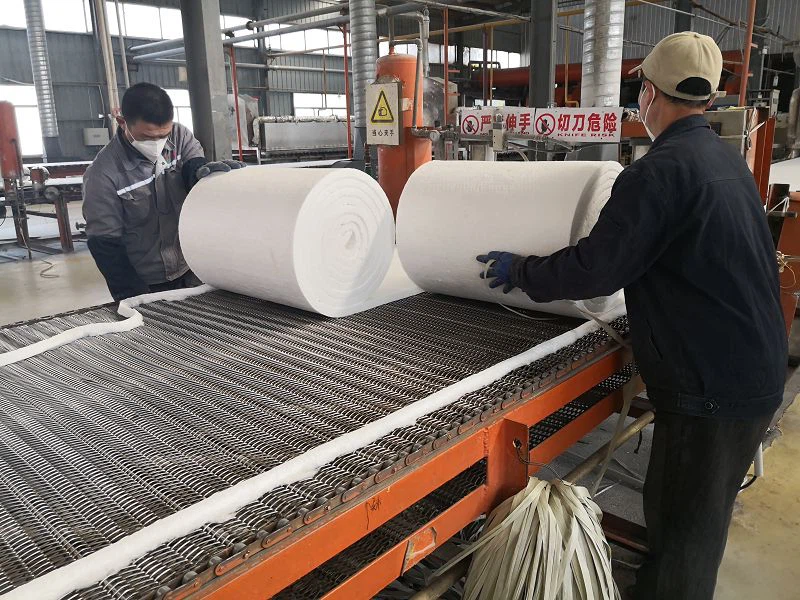
When it comes to using ceramic fiber board, safety should always be your top priority. As a ceramic fiber board supplier, I've seen firsthand the importance of taking the right precautions. In this blog, I'll share some key safety tips to keep in mind when working with these boards.
Understanding Ceramic Fiber Board
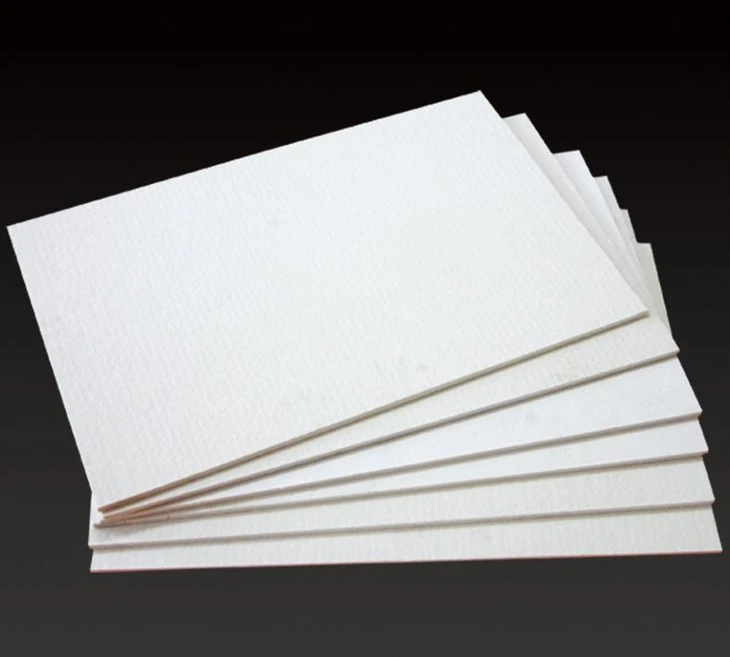
First off, let's quickly go over what ceramic fiber board is. Ceramic fiber boards are made from ceramic fibers that are formed into a rigid board. They're known for their excellent thermal insulation properties, high-temperature resistance, and low heat storage. These features make them a popular choice in various industries, like metallurgy, glass, and ceramics manufacturing. You can check out our Refractory Ceramic Fiber Board and Ceramic Fiber Insulation Board for more detailed product info.
Personal Protective Equipment (PPE)
One of the most important safety precautions is wearing the right PPE. When handling ceramic fiber board, you should always wear protective clothing, gloves, goggles, and a respirator.
- Protective Clothing: Wear long-sleeved shirts and long pants to cover your skin. This helps prevent fibers from coming into direct contact with your skin, which can cause irritation.
- Gloves: Use thick, durable gloves to protect your hands. Ceramic fiber can be sharp and may cause cuts or abrasions. Make sure the gloves fit well and cover your wrists.
- Goggles: Safety goggles are essential to protect your eyes from flying fibers. Even a small fiber in your eye can cause significant discomfort and potentially damage your vision.
- Respirator: A proper respirator is crucial to prevent inhalation of ceramic fibers. Inhaling these fibers can lead to respiratory problems, including lung diseases. Choose a respirator that is rated for the type of particles you'll be exposed to.
Handling and Storage
Proper handling and storage of ceramic fiber board are also key to safety.
- Handling: When moving ceramic fiber boards, be careful not to break them. Broken boards can release more fibers into the air. Use lifting equipment if the boards are heavy, and avoid dropping or banging them.
- Storage: Store ceramic fiber boards in a dry, well-ventilated area. Keep them off the ground to prevent moisture damage. Stack the boards neatly and securely to prevent them from falling.
Installation and Cutting
Installation and cutting of ceramic fiber board require special attention.
- Installation: Follow the manufacturer's instructions carefully during installation. Make sure the boards are properly secured to prevent them from shifting or falling. Use the right tools and techniques to ensure a safe and effective installation.
- Cutting: Cutting ceramic fiber board can generate a lot of dust and fibers. Do this in a well-ventilated area, preferably outdoors or in a room with a powerful exhaust system. Use a sharp cutting tool to minimize the amount of dust produced. You might also want to wet the board slightly before cutting to reduce the spread of fibers. Check out our 1/4 Inch Ceramic Fiber Board if you need a specific thickness for your project.
Cleanup and Disposal
After using ceramic fiber board, proper cleanup and disposal are necessary.
- Cleanup: Use a vacuum cleaner with a HEPA filter to clean up any dust or fibers. Avoid using a broom, as this can stir up the fibers and make them airborne. Wipe down surfaces with a damp cloth to remove any remaining fibers.
- Disposal: Dispose of ceramic fiber board waste according to local regulations. In many cases, it needs to be treated as hazardous waste. Make sure to seal the waste in a plastic bag before disposing of it to prevent the release of fibers.
Training and Awareness
Finally, make sure all workers who handle ceramic fiber board are properly trained. Training should cover the hazards associated with ceramic fiber, the proper use of PPE, and the correct handling, installation, and disposal procedures. Regularly remind workers of these safety precautions to keep safety top of mind.
Conclusion
Using ceramic fiber board can be safe as long as you take the right precautions. By wearing the proper PPE, handling and storing the boards correctly, following the right installation and cutting procedures, and properly cleaning up and disposing of waste, you can minimize the risks associated with these boards.
If you're in the market for high-quality ceramic fiber board, we're here to help. We offer a wide range of products to meet your needs. Whether you need Refractory Ceramic Fiber Board, Ceramic Fiber Insulation Board, or 1/4 Inch Ceramic Fiber Board, we've got you covered. Don't hesitate to reach out if you have any questions or want to discuss your specific requirements. We look forward to working with you!

References
- Various industry safety guidelines and standards for handling ceramic fiber materials.
- Manufacturer's product specifications and safety data sheets.