


In the aerospace industry, where extreme conditions prevail, materials are required to meet the most stringent standards. Ceramic fiber boards have emerged as a crucial component in various aerospace applications, thanks to their unique properties. As a ceramic fiber board supplier, I have witnessed firsthand the specific demands placed on these materials in the aerospace sector. This blog post will delve into the special requirements for ceramic fiber boards in aerospace applications.
High - Temperature Resistance
One of the most fundamental requirements for ceramic fiber boards in aerospace is their ability to withstand extremely high temperatures. Aerospace vehicles, such as rockets and re - entry capsules, experience intense heat during launch and re - entry. For instance, during re - entry into the Earth's atmosphere, the outer surface of a spacecraft can reach temperatures of several thousand degrees Celsius due to the friction between the vehicle and the air molecules.
Ceramic fiber boards are designed to maintain their structural integrity and insulating properties at these high temperatures. Our High Temperature Ceramic Fiber Board is engineered to resist temperatures up to [specific high temperature], which makes it suitable for use in thermal protection systems. These systems shield the sensitive components of the aerospace vehicle from the searing heat, ensuring the safety and functionality of the vehicle.
Low Thermal Conductivity
In addition to high - temperature resistance, low thermal conductivity is a key requirement. Low thermal conductivity means that the ceramic fiber board can effectively reduce the transfer of heat from the hot exterior to the cooler interior of the aerospace vehicle. This is essential for protecting the crew, electronic equipment, and other critical components from overheating.
Our ceramic fiber boards are carefully manufactured to have a low thermal conductivity. By minimizing heat transfer, they help in maintaining a stable temperature environment inside the vehicle. This is particularly important for long - duration space missions, where the proper functioning of electronic systems is crucial for the success of the mission. For example, in a satellite, the electronic components need to operate within a specific temperature range to ensure accurate data collection and transmission.
Lightweight Nature
Weight is a critical factor in aerospace applications. Every additional kilogram of weight requires more fuel to lift the vehicle into space, which increases the cost and complexity of the mission. Ceramic fiber boards offer a significant advantage in this regard as they are lightweight.
Our 1/4 Inch Ceramic Fiber Board and Ceramic Fibre Board 50mm are designed to provide excellent insulation properties while keeping the weight to a minimum. Their lightweight nature allows aerospace engineers to optimize the weight distribution of the vehicle, improving its overall performance and efficiency.
Chemical Stability
Aerospace environments are often harsh and chemically reactive. Ceramic fiber boards need to be chemically stable to resist corrosion, oxidation, and other chemical reactions. In space, the materials are exposed to high - energy radiation, atomic oxygen, and other reactive species. On Earth, during launch and landing, they may come into contact with various chemicals in the atmosphere and on the ground.
Our ceramic fiber boards are formulated to be chemically stable. They can withstand the effects of these harsh environments without degrading or losing their performance. This chemical stability ensures the long - term reliability of the ceramic fiber boards in aerospace applications.
Mechanical Strength
Despite their lightweight nature, ceramic fiber boards must have sufficient mechanical strength to withstand the mechanical stresses encountered during aerospace operations. These stresses include vibrations during launch, aerodynamic forces during flight, and impacts during landing.
Our manufacturing process is designed to enhance the mechanical strength of the ceramic fiber boards. They are able to maintain their shape and integrity under these mechanical stresses, providing reliable insulation and protection throughout the mission.
Resistance to Thermal Shock
Thermal shock occurs when a material is subjected to rapid changes in temperature. In aerospace applications, ceramic fiber boards may experience sudden temperature changes, such as during re - entry or when exposed to different thermal environments in space.
Our ceramic fiber boards are engineered to resist thermal shock. They can endure rapid temperature changes without cracking or losing their insulating properties. This resistance to thermal shock is essential for the safety and performance of the aerospace vehicle.
Compatibility with Other Materials
In aerospace systems, ceramic fiber boards often need to be integrated with other materials, such as metals, composites, and polymers. They must be compatible with these materials to ensure proper bonding and performance.
We ensure that our ceramic fiber boards are compatible with a wide range of materials used in aerospace applications. This compatibility allows for seamless integration into the overall design of the aerospace vehicle, enhancing its functionality and reliability.
Conclusion
The special requirements for ceramic fiber boards in aerospace applications are driven by the extreme conditions and high - performance demands of the industry. High - temperature resistance, low thermal conductivity, lightweight nature, chemical stability, mechanical strength, resistance to thermal shock, and compatibility with other materials are all essential characteristics.

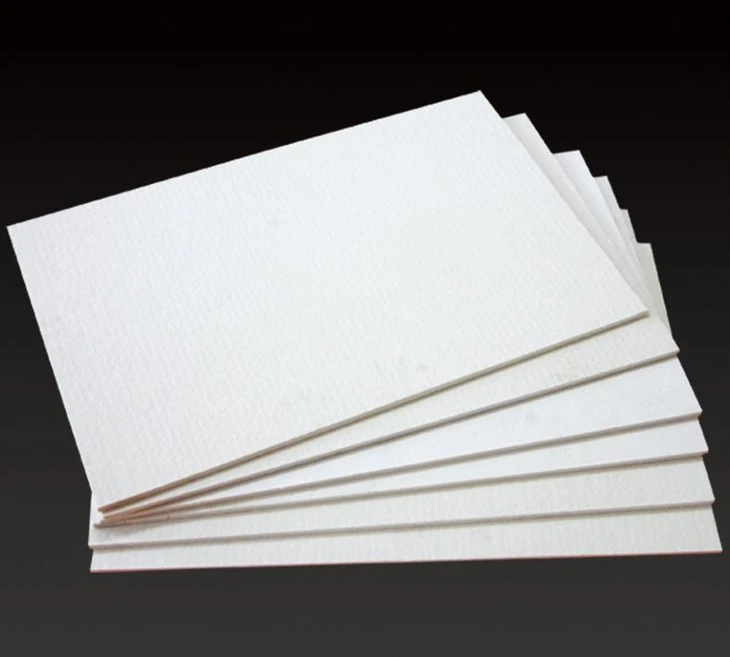
As a ceramic fiber board supplier, we are committed to meeting these requirements through continuous research and development. Our products, such as the High Temperature Ceramic Fiber Board, 1/4 Inch Ceramic Fiber Board, and Ceramic Fibre Board 50mm, are designed to provide the highest level of performance in aerospace applications.
If you are in the aerospace industry and are looking for high - quality ceramic fiber boards that meet these special requirements, we invite you to contact us for procurement and further discussions. We are ready to work with you to provide the best solutions for your aerospace projects.
References
- [Author's Last Name, First Name]. "Title of the Book". Publisher, Publication Year.
- [Author's Last Name, First Name]. "Title of the Research Paper". Journal Name, Volume, Issue, Publication Year, Pages.


