


As a supplier of ceramic fiber boards, I've witnessed firsthand the growing demand for these versatile materials across various industries. One of the most frequently asked questions I encounter is about the compatibility of ceramic fiber boards with different metals. In this blog post, I'll delve into this topic, exploring the factors that influence compatibility and highlighting the benefits of using ceramic fiber boards in metal-related applications.
Understanding Ceramic Fiber Boards
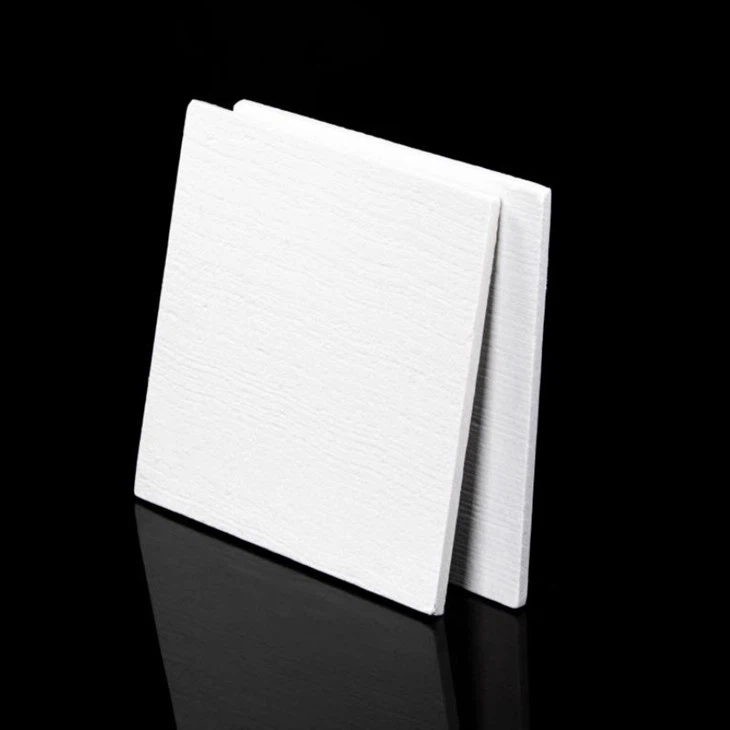
Before we discuss compatibility, let's briefly understand what ceramic fiber boards are. Ceramic fiber boards are made from high - purity alumina - silica ceramic fibers. These boards are known for their excellent thermal insulation properties, low thermal conductivity, and high temperature resistance. They can withstand temperatures ranging from 1260°C to 1600°C, depending on the grade of the board.
There are different types of ceramic fiber boards available in the market, such as Refractory Ceramic Fiber Board, 1/4 Inch Ceramic Fiber Board, and Ceramic Fiber Insulation Board. Each type has its unique characteristics and is suitable for different applications.
Factors Affecting Compatibility
Temperature
One of the primary factors that determine the compatibility of ceramic fiber boards with metals is temperature. Different metals have different melting points and thermal expansion coefficients. Ceramic fiber boards can maintain their structural integrity at high temperatures, but the metal may expand or contract at a different rate. For example, steel has a relatively high thermal expansion coefficient. When in contact with a ceramic fiber board at high temperatures, the differential expansion can cause stress at the interface between the metal and the board. If the stress is too high, it may lead to cracking or delamination of the ceramic fiber board.
Chemical Reaction
Chemical reactions can also affect the compatibility between ceramic fiber boards and metals. Some metals may react with the components of the ceramic fiber board under certain conditions. For instance, reactive metals like magnesium can react with the silica in the ceramic fiber board at high temperatures, forming magnesium silicate. This chemical reaction can degrade the performance of both the metal and the ceramic fiber board.
Oxidation
Oxidation is another crucial factor. Metals can oxidize when exposed to high - temperature environments. The oxide layer formed on the metal surface can interact with the ceramic fiber board. In some cases, the oxide layer may adhere to the board, causing bonding issues. On the other hand, the ceramic fiber board can act as a barrier to slow down the oxidation process of the metal in some situations.
Compatibility with Common Metals
Steel
Steel is one of the most widely used metals in industrial applications. Ceramic fiber boards are generally compatible with steel in many high - temperature applications. The high - temperature resistance of ceramic fiber boards makes them suitable for insulating steel structures in furnaces, kilns, and heat treatment equipment. However, as mentioned earlier, the difference in thermal expansion coefficients needs to be considered. To ensure good compatibility, proper installation techniques, such as leaving expansion joints, can be employed.

Aluminum
Aluminum has a lower melting point compared to steel. When using ceramic fiber boards with aluminum, the temperature needs to be carefully controlled. At relatively low temperatures, ceramic fiber boards can provide effective insulation for aluminum components. However, at high temperatures close to the melting point of aluminum, the board may need to be selected carefully to avoid any adverse reactions.
Copper
Copper is a good conductor of heat and is used in many electrical and thermal applications. Ceramic fiber boards can be used to insulate copper components, especially in applications where high - temperature insulation is required. The compatibility between copper and ceramic fiber boards is generally good, but the potential for oxidation of copper at high temperatures should be considered.
Benefits of Using Ceramic Fiber Boards with Metals
Thermal Insulation
One of the main benefits of using ceramic fiber boards with metals is their excellent thermal insulation properties. By reducing heat transfer, ceramic fiber boards can help to save energy and improve the efficiency of metal - based equipment. For example, in a steel - lined furnace, the ceramic fiber board insulation can reduce the heat loss through the furnace walls, resulting in lower energy consumption.
Protection
Ceramic fiber boards can protect metals from high - temperature damage. They can act as a barrier between the metal and the high - temperature environment, preventing oxidation and other forms of degradation. This can extend the service life of metal components and reduce maintenance costs.
Versatility
Ceramic fiber boards are available in various sizes and thicknesses, making them suitable for a wide range of metal - related applications. Whether it's a small - scale electrical component or a large industrial furnace, there is a ceramic fiber board that can meet the requirements.
Applications
Furnaces and Kilns
In furnaces and kilns, ceramic fiber boards are used to line the walls and roofs. They provide thermal insulation for the steel or other metal structures of the furnace, reducing heat loss and improving the overall efficiency of the heating process.
Heat Treatment Equipment
Heat treatment equipment often involves high - temperature processes. Ceramic fiber boards are used to insulate the metal chambers and components, ensuring accurate temperature control and protecting the metal from overheating.
Electrical Appliances
In electrical appliances, ceramic fiber boards can be used to insulate copper or other metal conductors. This helps to prevent heat transfer to other parts of the appliance and ensures safe operation.
Conclusion
In conclusion, the compatibility of ceramic fiber boards with different metals is a complex issue that depends on several factors such as temperature, chemical reactions, and oxidation. However, with proper selection and installation, ceramic fiber boards can be effectively used in conjunction with a wide range of metals. The benefits of using ceramic fiber boards, including thermal insulation, protection, and versatility, make them an ideal choice for many metal - related applications.
If you are interested in learning more about our ceramic fiber boards or have specific requirements for your metal - related projects, we would be more than happy to assist you. Feel free to reach out to us to discuss your needs and explore how our products can meet your expectations.
References
- Schneider, J. (2018). High - Temperature Insulation Materials. Springer.
- Zhang, Y., & Wang, L. (2020). Compatibility of Ceramic Materials with Metals in High - Temperature Applications. Journal of Materials Science and Technology.


