


Hey there! As a supplier of ceramic fiber boards, I often get asked about how the installation cost of ceramic fiber boards stacks up against other materials. So, I thought I'd take a deep dive into this topic and share my insights with you.
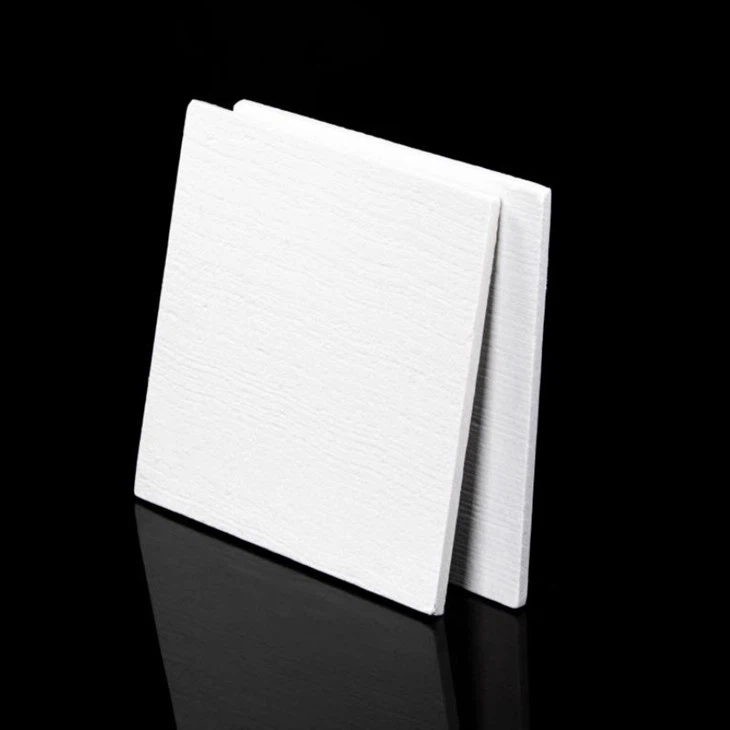
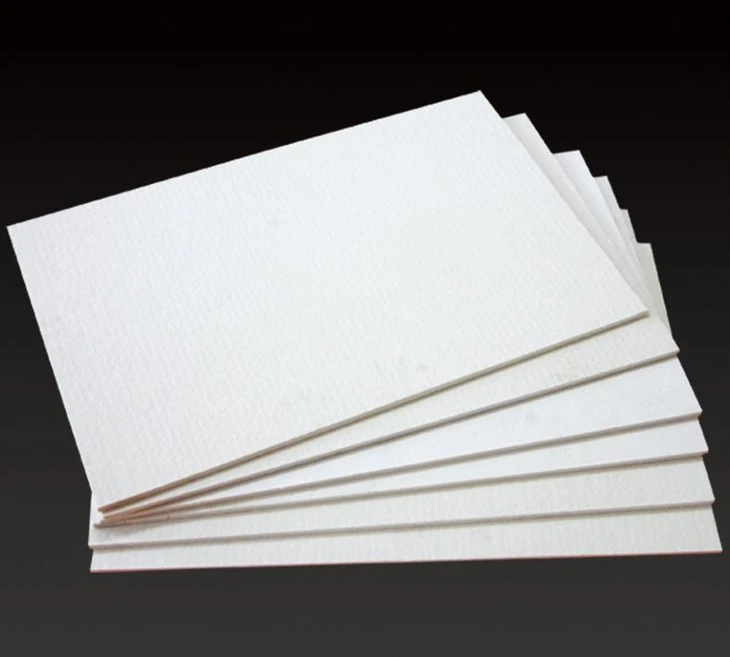
First off, let's talk a bit about ceramic fiber boards. These bad boys are super versatile. You can find different types like the High Temperature Ceramic Fiber Board, 1/4 Inch Ceramic Fiber Board, and Refractory Ceramic Fiber Board. They're known for their excellent insulation properties, which make them a popular choice in industries where high - temperature insulation is crucial, like foundries, kilns, and furnaces.
Now, let's get into the nitty - gritty of installation costs. One of the key factors that affect the installation cost of any material is the labor involved. Ceramic fiber boards are relatively lightweight compared to some other insulation materials. This means that they're easier to handle during installation. Workers can move them around more easily, which can reduce the amount of time spent on the installation process. Less time spent on installation often translates to lower labor costs.
For example, if you compare ceramic fiber boards to traditional brick insulation, bricks are much heavier. Moving and laying bricks requires more physical effort and often more workers. This can significantly drive up the labor cost. With ceramic fiber boards, you can usually get the job done with fewer workers in less time.
Another aspect is the tools required for installation. Ceramic fiber boards don't need any specialized or overly expensive tools. Basic cutting tools like a utility knife can be used to cut the boards to the required size. In contrast, some other insulation materials might need expensive, heavy - duty machinery for installation. For instance, some types of spray - on insulation require high - pressure spraying equipment, which not only has a high upfront cost but also needs to be maintained and operated by trained personnel.
The cost of the material itself is also a big part of the equation. Ceramic fiber boards are competitively priced in the market. While there are cheaper insulation materials out there, they often don't offer the same level of performance. On the other hand, there are also more expensive materials that might have similar performance but come with a much higher price tag.
Let's take fiberglass insulation as an example. Fiberglass is a common insulation material. It's relatively inexpensive, but it doesn't have the same high - temperature resistance as ceramic fiber boards. So, in high - temperature applications, fiberglass might not be a suitable option. If you use fiberglass in a high - temperature environment, it could degrade quickly, leading to the need for frequent replacements. This long - term cost can end up being much higher than the initial savings on the material cost.
In terms of installation complexity, ceramic fiber boards are quite straightforward to install. They can be easily attached to surfaces using adhesives or mechanical fasteners. This simplicity means that even workers with basic training can handle the installation. Some other materials, like some types of foam insulation, need to be applied in a very specific way to ensure proper insulation and to avoid issues like air pockets. This requires a higher level of skill from the installers, which can increase the labor cost.
When it comes to the overall cost - effectiveness, ceramic fiber boards shine. Their long - term performance is excellent. They have a long lifespan, which means you won't have to replace them as often as some other materials. This reduces the long - term cost of ownership. For example, in a furnace application, a well - installed ceramic fiber board can last for many years, providing consistent insulation performance throughout its life.
Let's also consider the cost of maintenance. Ceramic fiber boards are relatively low - maintenance. They don't require any special treatments or regular inspections like some other insulation materials. Some types of organic insulation materials might be prone to mold growth or insect infestations, which require regular checks and treatments. This adds to the overall cost of using those materials over time.
However, it's not all sunshine and rainbows for ceramic fiber boards. In some cases, if the installation is not done correctly, there can be issues. For example, if the boards are not properly sealed at the joints, it can lead to heat leakage. But this is more of an installation - quality issue rather than a problem with the material itself. With proper training and following the installation guidelines, these issues can be easily avoided.
In summary, when comparing the installation cost of ceramic fiber boards with other materials, ceramic fiber boards have a lot going for them. They offer a good balance between material cost, labor cost, and long - term performance. Their lightweight nature, ease of installation, and low - maintenance requirements make them a cost - effective choice for high - temperature insulation applications.
If you're in the market for high - quality insulation materials and are considering ceramic fiber boards, I'd love to have a chat with you. Whether you're looking for the High Temperature Ceramic Fiber Board, 1/4 Inch Ceramic Fiber Board, or Refractory Ceramic Fiber Board, I can provide you with all the information you need and help you make an informed decision. Feel free to reach out to discuss your specific requirements and get a quote.
References:
- General knowledge from years of experience in the ceramic fiber board industry.
- Industry reports on insulation materials and their installation costs.


