


As a supplier of 2300°F Ceramic Fibre Blanket, I understand the importance of proper storage to maintain the quality and performance of this exceptional insulation material. In this blog post, I'll share some valuable insights on how to store 2300°F Ceramic Fibre Blanket properly, ensuring it remains in optimal condition for your industrial applications.

Understanding the Characteristics of 2300°F Ceramic Fibre Blanket
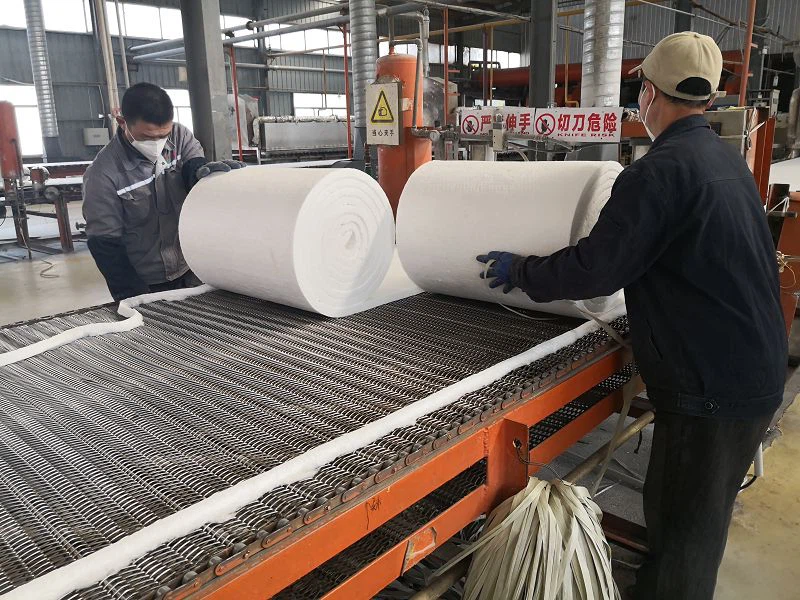
Before delving into storage methods, it's crucial to understand the unique properties of 2300°F Ceramic Fibre Blanket. This high - temperature insulation material is made from ceramic fibers, which offer excellent thermal insulation, low heat storage, and good chemical stability. However, it is also relatively fragile and can be easily damaged by moisture, mechanical stress, and contamination.
Ideal Storage Conditions
Temperature
The storage temperature should be stable and within a reasonable range. Extreme temperatures can cause the fibers in the blanket to become brittle or lose their insulating properties. A temperature between 50°F and 80°F (10°C - 27°C) is generally considered ideal. Avoid storing the blanket in areas that are subject to rapid temperature fluctuations, such as near heaters or in uninsulated outdoor sheds.
Humidity
Moisture is one of the biggest enemies of Ceramic Fibre Blanket. High humidity can lead to the growth of mold and mildew on the blanket, which not only affects its appearance but also degrades its performance. The relative humidity in the storage area should be kept below 60%. If possible, use a dehumidifier to maintain a dry environment.
Ventilation
Proper ventilation is essential to prevent the buildup of moisture and harmful gases. Ensure that the storage area has adequate air circulation. This can be achieved by installing vents or fans. Good ventilation also helps to disperse any odors that may be present in the storage area.
Storage Location
Indoor Storage
Indoor storage is highly recommended for 2300°F Ceramic Fibre Blanket. A dry, clean, and well - ventilated warehouse or storage room is an ideal choice. Make sure the floor is level and free of sharp objects that could puncture the blanket. If the storage area is prone to flooding, consider storing the blankets on pallets or raised platforms to keep them above the water level.
Avoiding Direct Sunlight
Direct sunlight can cause the fibers in the blanket to deteriorate over time. Store the blankets in a shaded area or use opaque covers to protect them from sunlight. Ultraviolet rays can break down the chemical bonds in the ceramic fibers, reducing their strength and insulating capabilities.
Packaging and Handling
Original Packaging
Keep the Ceramic Fibre Blanket in its original packaging as much as possible. The original packaging is designed to protect the blanket during transportation and storage. It provides a layer of protection against dust, moisture, and physical damage. If the original packaging is damaged, replace it with a suitable alternative.
Handling with Care
When moving or handling the blankets, use proper lifting techniques. Avoid dragging or dropping the blankets, as this can cause the fibers to break or become compressed. Use pallet jacks or forklifts to move large quantities of blankets safely. If you need to cut the blanket, use sharp tools to ensure a clean cut and minimize fiber damage.
Protection Against Contamination
Dust and Debris
Keep the storage area clean to prevent dust and debris from accumulating on the blankets. Regularly sweep and vacuum the floor, and wipe down the shelves or racks where the blankets are stored. If possible, use dust covers to protect the blankets from airborne particles.
Chemical Exposure
Avoid storing the Ceramic Fibre Blanket near chemicals or substances that could react with the ceramic fibers. Chemicals such as acids, alkalis, and solvents can damage the fibers and reduce the performance of the blanket. If there is a risk of chemical exposure, store the blankets in a separate, well - ventilated area.
Stacking and Organization
Proper Stacking
When stacking the blankets, make sure they are stacked evenly and securely. Do not stack them too high, as this can cause the bottom layers to become compressed and lose their insulating properties. A stack height of no more than 5 - 6 feet is generally recommended. Use pallets or spacers between the layers to ensure proper air circulation.
Organization
Keep the blankets organized by size, thickness, and type. This makes it easier to locate the specific blankets you need when it's time to use them. Label the pallets or storage containers clearly with the product information.
Monitoring and Inspection
Regular Checks
Periodically inspect the stored Ceramic Fibre Blanket for signs of damage, moisture, or contamination. Check for any visible changes in the appearance of the blanket, such as discoloration or mold growth. If you notice any issues, take appropriate action immediately to prevent further damage.
Documentation
Keep a record of the storage conditions, including temperature, humidity, and inspection results. This documentation can be useful for quality control and troubleshooting purposes.
Importance of Proper Storage
Proper storage of 2300°F Ceramic Fibre Blanket is crucial for maintaining its quality and performance. A well - stored blanket will provide reliable thermal insulation, which is essential for various industrial applications such as kilns and industry furnaces. Ceramic Fiber Blanket for Kiln and Ceramic Fiber Blanket for Industry Furnace require high - quality insulation to operate efficiently. By following the proper storage guidelines, you can ensure that the blanket retains its insulating properties and extends its service life.
Conclusion
Storing 2300°F Ceramic Fibre Blanket properly is a multi - step process that involves controlling temperature, humidity, and ventilation, protecting against contamination, and handling the blankets with care. As a supplier, I am committed to providing you with high - quality Ceramic Fibre Blanket, and proper storage is an important part of ensuring that you get the best performance from our products. If you are in need of Thermal Insulation Blanket or have any questions about our 2300°F Ceramic Fibre Blanket, please feel free to contact us for more information and to discuss your procurement needs. We look forward to working with you to meet your industrial insulation requirements.
References
- "Ceramic Fiber Insulation Handbook" - Industry - standard guide on ceramic fiber products.
- Manufacturer's specifications and guidelines for 2300°F Ceramic Fibre Blanket.


