


As a supplier of 2300F Ceramic Fibre Blanket, I often receive inquiries from customers about the suitability of this product for outdoor use. In this blog post, I will delve into the various aspects of 2300F Ceramic Fibre Blanket and analyze whether it is a good fit for outdoor applications.
Understanding 2300F Ceramic Fibre Blanket
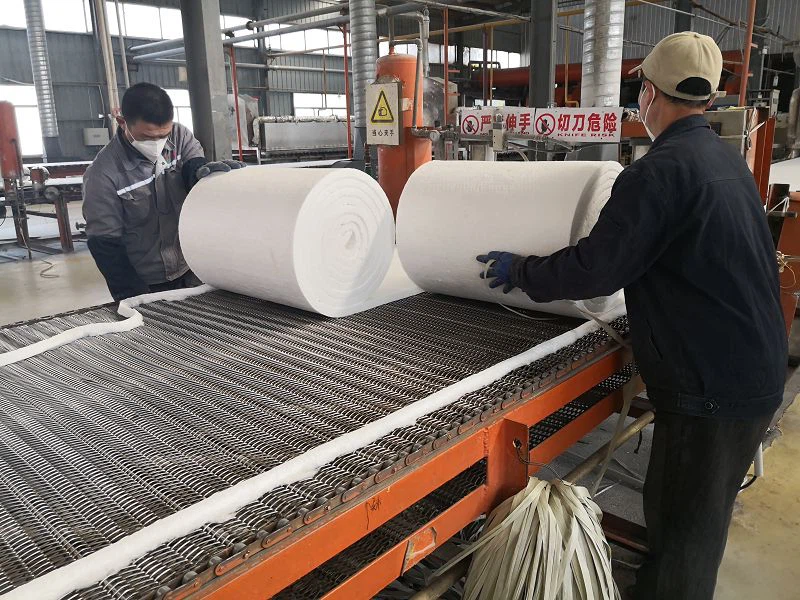
2300F Ceramic Fibre Blanket is a high - temperature insulation material known for its excellent thermal resistance. It can withstand temperatures up to 2300°F (1260°C), making it ideal for many industrial applications where high - heat insulation is required. The blanket is made from alumina - silica ceramic fibers, which are lightweight and have low thermal conductivity. This means they can effectively reduce heat transfer, saving energy and protecting equipment from overheating.
You can find more information about similar products like Aluminium Silicate Ceramic Fiber Blanket on our website.
Advantages of Using 2300F Ceramic Fibre Blanket in Outdoor Settings
High - Temperature Resistance
Outdoor environments can sometimes be exposed to high - heat sources, such as in industrial outdoor furnaces or near high - temperature exhaust systems. The 2300F Ceramic Fibre Blanket's ability to withstand extremely high temperatures makes it a reliable choice for insulating these high - heat areas. For example, in a metal - smelting plant where the outdoor furnaces operate at high temperatures, the blanket can be used to insulate the furnace walls, reducing heat loss and improving energy efficiency.
Lightweight and Easy to Install
The lightweight nature of the 2300F Ceramic Fibre Blanket makes it easy to handle and install in outdoor settings. Whether it is wrapping around pipes or covering large equipment, the blanket can be easily cut and shaped to fit the required dimensions. This ease of installation can save time and labor costs, especially in large - scale outdoor projects.
Good Thermal Insulation
One of the main functions of insulation is to reduce heat transfer. The 2300F Ceramic Fibre Blanket has low thermal conductivity, which means it can effectively prevent heat from escaping or entering an area. In an outdoor environment, this can be beneficial for maintaining a stable temperature inside equipment or structures. For instance, in an outdoor kiln, the blanket can help keep the internal temperature stable, ensuring consistent product quality. You can explore Ceramic Fiber Blanket for Kiln for more details on kiln - related applications.
Challenges of Using 2300F Ceramic Fibre Blanket Outdoors
Moisture and Weather Resistance
One of the major challenges of using 2300F Ceramic Fibre Blanket outdoors is its susceptibility to moisture. Ceramic fiber blankets are generally not water - resistant, and exposure to rain, snow, or high humidity can cause the fibers to become saturated. When the blanket gets wet, its thermal insulation properties can be significantly reduced, and the fibers may also start to break down over time. Additionally, freezing and thawing cycles can further damage the blanket's structure.
UV Radiation
Outdoor environments are exposed to ultraviolet (UV) radiation from the sun. Prolonged exposure to UV rays can cause the ceramic fiber blanket to degrade. The UV radiation can break down the chemical bonds in the fibers, making them more brittle and reducing their strength. This can lead to the blanket losing its integrity and potentially releasing fibers into the environment.

Mechanical Damage
Outdoor settings are often subject to various mechanical stresses, such as wind, impact from debris, or abrasion. The 2300F Ceramic Fibre Blanket is relatively fragile compared to some other materials. Strong winds can blow the blanket loose or cause it to tear, and impacts from flying debris can puncture or damage the blanket. Abrasion from contact with moving parts or rough surfaces can also wear down the fibers.
Mitigating the Challenges
Protective Coatings
To address the issue of moisture and weather resistance, protective coatings can be applied to the 2300F Ceramic Fibre Blanket. These coatings can act as a barrier against water and UV radiation. There are various types of coatings available, such as silicone - based coatings, which can provide good water - repellency and some level of UV protection. However, it is important to ensure that the coating does not significantly affect the blanket's thermal insulation properties.
Enclosures
Installing the 2300F Ceramic Fibre Blanket inside an enclosure can protect it from direct exposure to the elements. The enclosure can be made of a weather - resistant material, such as metal or fiberglass. This can shield the blanket from rain, snow, UV radiation, and mechanical damage. For example, in an outdoor electrical transformer, the ceramic fiber blanket can be installed inside a metal enclosure to provide insulation while being protected from the outdoor environment.
Regular Inspection and Maintenance
Regular inspection and maintenance are crucial when using the 2300F Ceramic Fibre Blanket outdoors. Inspections should be carried out to check for any signs of damage, such as tears, moisture penetration, or fiber degradation. Any damaged areas should be repaired or replaced promptly to ensure the continued effectiveness of the insulation.
Applications of 2300F Ceramic Fibre Blanket in Outdoor Scenarios
Despite the challenges, there are still many outdoor applications where the 2300F Ceramic Fibre Blanket can be used effectively with proper precautions.
Industrial Outdoor Equipment
In industrial settings, there are many outdoor equipment that require high - temperature insulation. For example, in petrochemical plants, outdoor reactors and distillation columns can be insulated with 2300F Ceramic Fibre Blanket. The high - temperature resistance of the blanket can help maintain the process temperature and improve energy efficiency. You can learn more about insulation solutions like Ceramic Fiber Blanket Insulation on our website.
Outdoor Furnaces and Boilers
Outdoor furnaces and boilers are often used in industries such as food processing, textiles, and paper manufacturing. The 2300F Ceramic Fibre Blanket can be used to insulate the furnace and boiler walls, reducing heat loss and improving the overall efficiency of the heating system.
Conclusion
In conclusion, the 2300F Ceramic Fibre Blanket has both advantages and challenges when it comes to outdoor use. Its high - temperature resistance, lightweight nature, and good thermal insulation properties make it a suitable option for many outdoor applications, especially in industrial settings. However, the issues of moisture, UV radiation, and mechanical damage need to be carefully considered. By taking appropriate measures such as applying protective coatings, using enclosures, and conducting regular maintenance, the 2300F Ceramic Fibre Blanket can be effectively used outdoors.
If you are interested in purchasing 2300F Ceramic Fibre Blanket for your outdoor projects or have any questions about its suitability, please feel free to contact us for further discussion and procurement negotiation.
References
- Ceramic Fiber Insulation Handbook. [Publisher's Name], [Year of Publication]
- Research Papers on High - Temperature Insulation Materials. Various Academic Journals.


