


Hey there! As a ceramic fiber blanket supplier, I'm stoked to share with you all about the amazing applications of ceramic fiber blankets in the heat treatment industry. These blankets are like the unsung heroes in many high - temperature operations, offering top - notch insulation and performance.
First off, what is a ceramic fiber blanket anyway? Well, it's a super - lightweight and flexible insulation material made from ceramic fibers. These fibers are spun into a blanket form, which makes them easy to handle and install. They have excellent thermal insulation properties, low heat storage capacity, and can withstand really high temperatures.
One of the most common applications of ceramic fiber blankets in the heat treatment industry is in furnaces. Furnaces are where a lot of heat - intensive processes happen, like annealing, hardening, and tempering. The ceramic fiber blankets are used to line the inside of the furnace. This insulation is crucial because it helps to maintain a stable temperature inside the furnace. It reduces heat loss to the surrounding environment, which means less energy is wasted. When energy is saved, it actually cuts down on operational costs. And let's face it, in any industry, cost - cutting is a big deal! You can find the perfect Ceramic Fiber Blanket for Kiln for your furnace at our website, which is designed to meet the high - heat requirements of these industrial heating units.
Another area where ceramic fiber blankets shine is in heat - treating ovens. These ovens are used for various processes such as stress - relieving metals or curing coatings. The blankets play a key role here by providing consistent temperature control. They're installed on the walls and ceiling of the ovens. Since they have good thermal shock resistance, they can handle the rapid temperature changes that occur during the heating and cooling cycles in these ovens. This extends the lifespan of the oven and ensures that the heat - treating processes are carried out accurately. Our Aluminium Silicate Ceramic Fiber Blanket is a great choice for heat - treating ovens, offering high - quality insulation and reliability.
In the world of heat treatment, kilns are also a major player. Kilns are used for firing ceramics, glass, and some types of metal parts. Ceramic fiber blankets are used to insulate the kiln chambers. They help to create a more uniform temperature distribution inside the kiln. This is super important because uneven temperatures can lead to defects in the products being fired. A well - insulated kiln with ceramic fiber blankets produces better - quality end products. Whether you're firing delicate ceramic art pieces or large - scale industrial metal components, the right insulation can make all the difference.
Now, let's talk about the benefits of using ceramic fiber blankets in these heat - treatment applications. One of the biggest perks is their low thermal conductivity. This means they're really good at keeping the heat where it's supposed to be - inside the furnace, oven, or kiln. As a result, the equipment can reach and maintain the desired high temperatures more quickly and efficiently.
They're also very lightweight. Compared to traditional insulation materials, ceramic fiber blankets are much easier to handle and install. This reduces the installation time and labor costs. And if you ever need to make repairs or modifications to the insulation, it's a breeze to work with these blankets.
Ceramic fiber blankets are also resistant to chemical corrosion in many cases. In heat - treatment industries, there can be various chemicals and gases present. These blankets can withstand exposure to some of these substances without degrading quickly. This makes them a durable option for long - term use in harsh industrial environments.
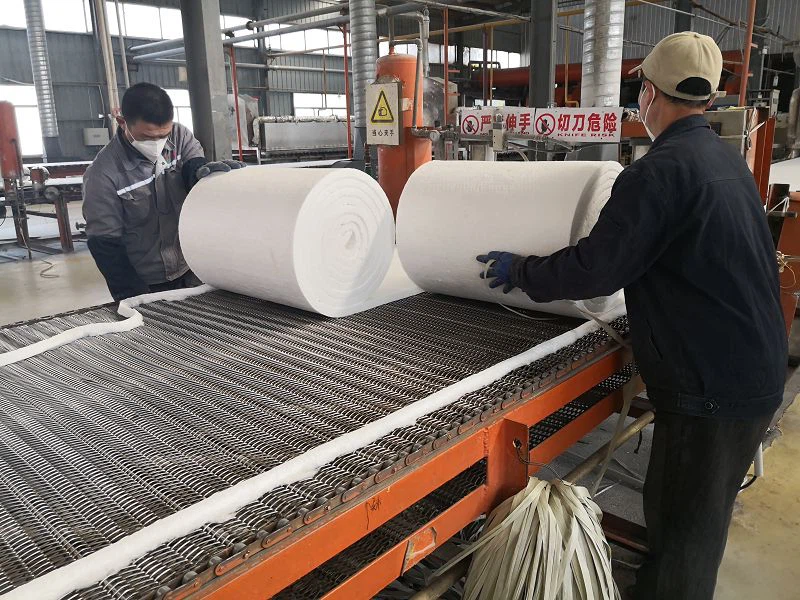

In addition to the above, they have a high surface area, which allows for better heat transfer control. They can absorb and release heat in a controlled manner, which is essential for precise heat - treatment processes.
When it comes to selecting the right ceramic fiber blanket for your heat - treatment needs, there are several factors to consider. First, you need to think about the maximum temperature that the blanket will be exposed to. Different types of ceramic fiber blankets have different temperature ratings. You don't want to use a blanket that can't handle the high temperatures of your heat - treatment process.
The thickness of the blanket also matters. Thicker blankets generally provide better insulation, but they might be more expensive and harder to install in some cases. You need to find a balance that suits your budget and the specific requirements of your equipment.
The density of the ceramic fiber blanket is another consideration. Higher - density blankets usually offer better insulation performance, but they can be heavier and more rigid. You have to weigh the pros and cons based on your application.
If you're in the heat - treatment industry and looking for high - quality ceramic fiber blankets, I encourage you to reach out. We've been in the business for years and have a wide range of products to meet different needs. Whether you're setting up a new heat - treatment facility or upgrading your existing insulation, we can help you find the right ceramic fiber blanket solution. Our Thermal Insulation Blanket options are designed to provide excellent thermal insulation across various heat - treatment applications.
We understand that every customer has unique requirements, and we're committed to providing personalized service. Don't hesitate to get in touch with us to discuss your specific heat - treatment needs and explore the best ceramic fiber blanket options for you. Trust us to be your go - to supplier for top - notch insulation solutions in the heat - treatment industry.
References
- Textbooks on industrial heat - treatment and insulation materials.
- Industry reports on high - temperature insulation products.
- Technical specifications provided by ceramic fiber manufacturers.


