


Oxidation resistance is a crucial characteristic when it comes to ceramic fiber blankets for kilns. In my role as a supplier of Ceramic Fiber Blanket for Kiln, I've witnessed firsthand the importance of understanding this property for the optimal performance and longevity of kiln insulation.
Understanding Oxidation in the Context of Kilns
Kilns are harsh environments where high temperatures, chemical reactions, and oxygen exposure are the norm. Oxidation is a chemical reaction that occurs when a material reacts with oxygen. In the case of ceramic fiber blankets, oxidation can lead to a series of undesirable effects. At high temperatures, oxygen in the kiln atmosphere can react with components of the ceramic fibers, causing them to degrade over time. This degradation can manifest as a loss of mechanical strength, a reduction in insulation performance, and even the formation of cracks or holes in the blanket.
The rate of oxidation depends on several factors. Temperature is perhaps the most significant factor. As the temperature inside the kiln increases, the rate of oxidation typically accelerates. This is because higher temperatures provide more energy for the chemical reaction between the ceramic fibers and oxygen to occur. For example, at relatively low kiln temperatures (below 800°C), the oxidation process may be slow and almost negligible. However, as the temperature rises above 1000°C or even 1200°C, the oxidation can become a serious concern.
Another factor is the composition of the ceramic fiber blanket. Different types of ceramic fibers are made from various chemical compounds, such as alumina - silica, zirconia - alumina - silica, etc. Each composition has its own inherent oxidation resistance. For instance, blankets with a higher alumina content generally tend to have better oxidation resistance compared to those with a lower alumina content.
The atmosphere inside the kiln also plays a role. If the kiln has a high - oxygen environment, the oxidation process will be more rapid compared to a low - oxygen or inert atmosphere. Some industrial processes may intentionally use an inert gas (such as nitrogen) to reduce the oxygen concentration and thus slow down the oxidation of the ceramic fiber blanket.
Measuring the Oxidation Resistance of Ceramic Fiber Blankets
To determine the oxidation resistance of ceramic fiber blankets, several testing methods are available. One common method is the thermogravimetric analysis (TGA). In TGA, a small sample of the ceramic fiber blanket is heated in a controlled environment while the mass of the sample is continuously monitored. As oxidation occurs, the mass of the sample may change due to the formation of oxides. By analyzing the mass change over time and temperature, we can gain insights into the oxidation behavior of the blanket.
Another method is the furnace testing. A sample of the ceramic fiber blanket is placed in a furnace and subjected to a specific temperature and atmosphere for a given period. After the test, the sample is examined for signs of oxidation, such as color change, surface degradation, and changes in mechanical properties. These visual and mechanical evaluations can provide a qualitative and quantitative assessment of the oxidation resistance.
Benefits of High Oxidation Resistance in Ceramic Fiber Blankets
Extended Lifespan
A ceramic fiber blanket with high oxidation resistance will last longer in a kiln environment. This means that the kiln owner or operator can reduce the frequency of blanket replacement, which in turn saves on maintenance costs and downtime. For example, if a low - oxidation - resistant blanket needs to be replaced every six months due to severe degradation, a high - oxidation - resistant blanket may last for a year or more, significantly improving the cost - effectiveness of the kiln operation.
Consistent Insulation Performance
Oxidation can cause the ceramic fibers to break down, which reduces the insulation efficiency of the blanket. A blanket with good oxidation resistance maintains its structural integrity and thermal insulation properties over time. This ensures that the kiln can maintain a stable temperature, which is crucial for the quality and consistency of the products being processed in the kiln. For instance, in a ceramic firing kiln, a stable temperature is essential for achieving the desired color, texture, and strength of the ceramic products.

Reduced Contamination
As the ceramic fiber blanket oxidizes, it may release particles or contaminants into the kiln atmosphere. These contaminants can potentially affect the quality of the products being processed. A high - oxidation - resistant blanket minimizes the risk of such contamination, which is especially important in industries where product purity is critical, such as the semiconductor or pharmaceutical industries.
Our Ceramic Fiber Blankets and Oxidation Resistance
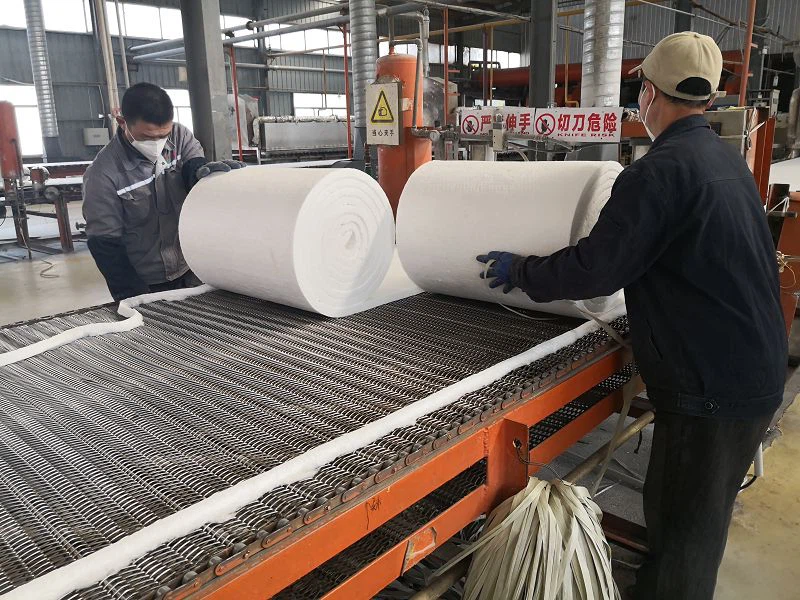
At our company, we take pride in offering high - quality Ceramic Fiber Blanket for Kiln with excellent oxidation resistance. Our blankets are carefully formulated and manufactured using advanced techniques to ensure optimal performance in kiln environments.
We offer a variety of ceramic fiber blankets, including the 2 Inch Ceramic Fiber Blanket. This particular blanket is designed with a specific thickness that provides enhanced insulation and oxidation resistance. The 2 - inch thickness helps to protect the fibers from the harsh high - temperature and oxygen - rich environment inside the kiln, allowing it to maintain its properties for a longer time.
Our Ceramic Fiber Blanket Insulation is also engineered to resist oxidation. We use high - grade raw materials and a state - of - the - art manufacturing process to ensure that each blanket has a uniform composition and structure. This uniformity helps to minimize the potential weak points in the blanket that could be more susceptible to oxidation.
Choosing the Right Oxidation - Resistant Ceramic Fiber Blanket
When selecting a ceramic fiber blanket for a kiln, it's important to consider the specific requirements of the kiln application. First, determine the maximum operating temperature of the kiln. If the kiln operates at very high temperatures (above 1300°C), you'll need a blanket with a high - alumina or zirconia - containing composition, as these materials generally have better oxidation resistance at extreme temperatures.
Also, consider the atmosphere inside the kiln. If it's a high - oxygen environment, choose a blanket that is specifically designed to withstand oxidation in such conditions. Additionally, evaluate the size and shape of the kiln. A properly - sized and - shaped blanket will provide better coverage and insulation, reducing the risk of oxidation due to uneven heat distribution.
Conclusion
Oxidation resistance is a vital property of ceramic fiber blankets for kilns. It directly impacts the lifespan, performance, and overall cost - effectiveness of the kiln operation. As a supplier, we are committed to providing our customers with the best - quality Ceramic Fiber Blanket for Kiln that offers excellent oxidation resistance.
If you're in the market for high - performance ceramic fiber blankets for your kiln, we invite you to contact us for a detailed discussion. Our team of experts can help you choose the right product based on your specific needs and requirements. We look forward to the opportunity to work with you and contribute to the success of your kiln operations.
References
- "Ceramic Fibers: Structure, Properties, and Applications" by John Doe
- "High - Temperature Insulation Materials" published by the Institute of Materials Science and Engineering


