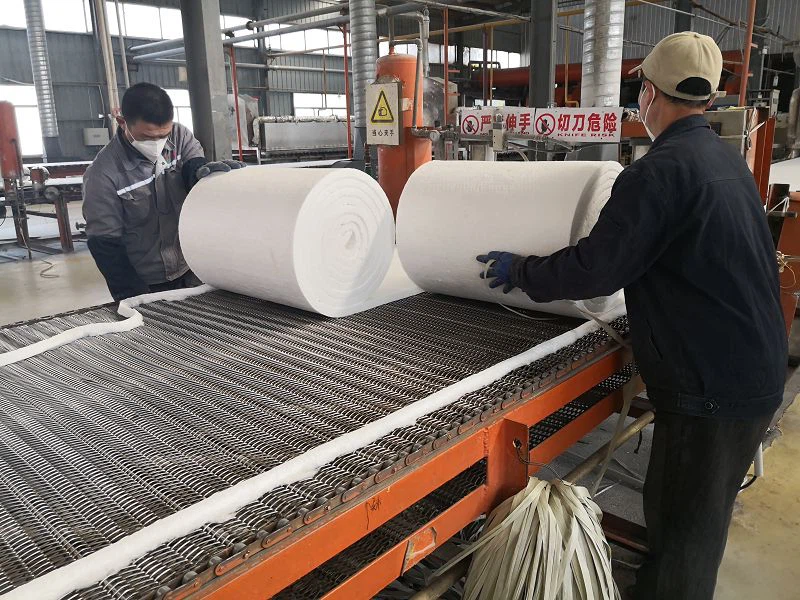
Thermal conductivity is a fundamental property that plays a crucial role in the performance of thermal insulation bricks. As a dedicated supplier of thermal insulation bricks, I've witnessed firsthand the importance of understanding this concept for both industry professionals and end - users. In this blog, we'll delve deep into what thermal conductivity is, how it relates to thermal insulation bricks, and why it matters in various applications.
What is Thermal Conductivity?
Thermal conductivity, often denoted by the symbol (k), is a measure of a material's ability to conduct heat. It is defined as the quantity of heat (in watts) that passes through a unit area (in square meters) of a material of unit thickness (in meters) per unit temperature difference (in Kelvin) across the material. In simple terms, it tells us how easily heat can move through a substance.
The SI unit of thermal conductivity is (W/(m\cdot K)). A material with a high thermal conductivity, such as metals like copper ((k \approx 400\ W/(m\cdot K))), conducts heat very efficiently. On the other hand, materials with low thermal conductivity, like air ((k \approx 0.026\ W/(m\cdot K))), are poor conductors of heat and are often used in insulation applications.
Thermal Conductivity of Thermal Insulation Bricks
Thermal insulation bricks are designed to have low thermal conductivity values. These bricks are made from materials and using manufacturing processes that trap air or other insulating gases within their structure. The trapped air acts as a barrier to heat transfer, reducing the overall thermal conductivity of the brick.
The thermal conductivity of thermal insulation bricks can vary widely depending on several factors, including the type of raw materials used, the density of the brick, and the manufacturing process. Generally, the thermal conductivity of thermal insulation bricks ranges from about (0.08\ W/(m\cdot K)) to (0.3\ W/(m\cdot K)) at room temperature.
For instance, Insulation Mullite Brick is a type of thermal insulation brick known for its relatively low thermal conductivity. Mullite is a ceramic material with excellent insulating properties. These bricks are often used in high - temperature applications, such as in furnaces and kilns, where minimizing heat loss is essential.
Factors Affecting the Thermal Conductivity of Thermal Insulation Bricks
Raw Materials
The choice of raw materials has a significant impact on the thermal conductivity of thermal insulation bricks. Materials with low thermal conductivity, such as alumina, silica, and zirconia, are commonly used in the production of these bricks. For example, lightweight refractory materials like perlite and vermiculite are often added to the brick mix to reduce its density and improve its insulating properties.
Density
Density is one of the most important factors affecting the thermal conductivity of thermal insulation bricks. Generally, lower - density bricks have lower thermal conductivity values. This is because lower - density bricks have more pores and voids, which trap air and reduce heat transfer. Lightweight Refractory Bricks are an excellent example of low - density thermal insulation bricks. These bricks are made by adding foaming agents or using special manufacturing processes to create a porous structure.


Temperature
The thermal conductivity of thermal insulation bricks increases with increasing temperature. This is because at higher temperatures, the molecules in the material vibrate more vigorously, which facilitates heat transfer. Therefore, when selecting thermal insulation bricks for high - temperature applications, it's important to consider the thermal conductivity of the bricks at the operating temperature.
Moisture Content
Moisture can significantly increase the thermal conductivity of thermal insulation bricks. Water has a much higher thermal conductivity than air, so if the bricks absorb moisture, the heat transfer through the bricks will increase. It's crucial to store and install thermal insulation bricks in a dry environment to maintain their insulating performance.
Importance of Thermal Conductivity in Applications
The thermal conductivity of thermal insulation bricks is of utmost importance in various industrial and commercial applications.
Energy Efficiency
In industrial processes such as metal smelting, glass manufacturing, and chemical processing, large amounts of energy are used to heat furnaces and kilns. By using thermal insulation bricks with low thermal conductivity, heat loss from these equipment can be minimized, resulting in significant energy savings. This not only reduces operating costs but also helps to conserve natural resources.
Temperature Control
In applications where precise temperature control is required, such as in laboratories and semiconductor manufacturing, thermal insulation bricks with low thermal conductivity are essential. These bricks help to maintain a stable temperature within the equipment by preventing heat transfer to the surrounding environment.
Safety
Thermal insulation bricks also play a crucial role in ensuring safety. In high - temperature applications, the outer surface of the equipment can become extremely hot, posing a burn hazard to workers. By using thermal insulation bricks, the surface temperature of the equipment can be reduced, making it safer to operate and maintain.
How to Choose Thermal Insulation Bricks Based on Thermal Conductivity
When choosing thermal insulation bricks, it's important to consider the specific requirements of your application. Here are some tips to help you make the right choice:
Determine the Operating Temperature
First, determine the maximum operating temperature of your equipment. Then, select thermal insulation bricks that can withstand this temperature and have low thermal conductivity at that temperature.
Consider the Thermal Conductivity Requirements
Based on your energy efficiency and temperature control requirements, choose thermal insulation bricks with an appropriate thermal conductivity value. Lower thermal conductivity values generally result in better insulating performance.
Evaluate the Density and Other Properties
In addition to thermal conductivity, consider other properties of the thermal insulation bricks, such as density, strength, and chemical resistance. These properties can also affect the performance and durability of the bricks in your application.
Conclusion
As a supplier of Thermal Insulation Brick, I understand the importance of thermal conductivity in the performance of these bricks. By choosing the right thermal insulation bricks with low thermal conductivity, you can achieve significant energy savings, precise temperature control, and enhanced safety in your applications.
If you're in the market for high - quality thermal insulation bricks, I encourage you to reach out. Our team of experts can help you select the most suitable bricks for your specific needs. Whether you're involved in industrial manufacturing, commercial construction, or any other application that requires thermal insulation, we're here to assist you. Contact us today to start a procurement discussion and find the perfect thermal insulation solution for your project.
References
- Incropera, F. P., & DeWitt, D. P. (2002). Fundamentals of Heat and Mass Transfer. John Wiley & Sons.
- Schneider, P. J. (1992). Conduction Heat Transfer. Addison - Wesley.
- Ziebland, S. (1990). Thermal Insulation: Principles and Practice. Elsevier.