


As a supplier of ceramic fiber boards, I've had the privilege of witnessing the remarkable journey these materials take, from their initial production to their potential for recycling. Ceramic fiber boards are renowned for their exceptional insulation properties, high-temperature resistance, and low thermal conductivity, making them a staple in various industries, including metallurgy, glass, and ceramics. However, like all materials, they reach the end of their useful life at some point. That's where the recycling process comes in, offering a sustainable solution to reduce waste and conserve resources.
Understanding Ceramic Fiber Boards
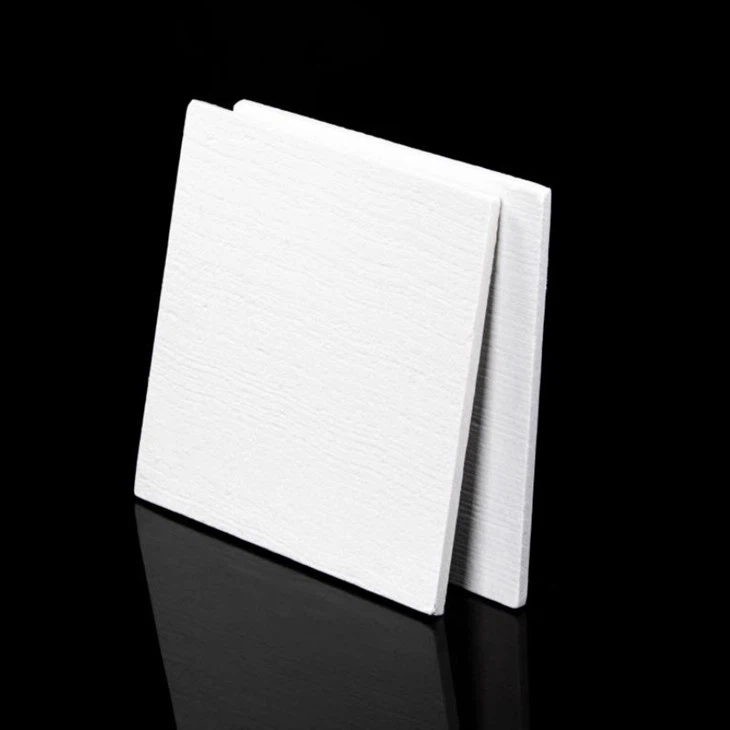
Before delving into the recycling process, it's essential to understand what ceramic fiber boards are and why they're so valuable. Ceramic fiber boards are made from alumina-silica fibers, which are produced by melting a mixture of alumina and silica at high temperatures. These fibers are then formed into a board using a wet or dry process, depending on the desired properties and applications.
The resulting boards are lightweight, flexible, and have excellent insulation properties, making them ideal for use in high-temperature environments. They're commonly used in furnaces, kilns, ovens, and other industrial equipment to reduce heat loss, improve energy efficiency, and protect workers from extreme temperatures.
The Importance of Recycling Ceramic Fiber Boards
Recycling ceramic fiber boards is crucial for several reasons. Firstly, it helps to reduce waste and conserve natural resources. By recycling these materials, we can prevent them from ending up in landfills, where they can take hundreds of years to decompose. Instead, we can reuse the fibers to create new ceramic fiber products, reducing the need for virgin materials and minimizing the environmental impact of production.
Secondly, recycling ceramic fiber boards can help to reduce energy consumption and greenhouse gas emissions. The production of new ceramic fiber boards requires a significant amount of energy, primarily in the form of heat. By recycling existing boards, we can reduce the energy required to produce new ones, thereby lowering our carbon footprint and contributing to a more sustainable future.

Finally, recycling ceramic fiber boards can also provide economic benefits. By reusing these materials, we can reduce the cost of production and make ceramic fiber products more affordable for consumers. This can help to increase demand for these products, creating jobs and stimulating economic growth in the recycling and manufacturing industries.
The Recycling Process of Ceramic Fiber Boards
The recycling process of ceramic fiber boards typically involves several steps, including collection, sorting, cleaning, and reprocessing. Let's take a closer look at each of these steps:
Collection
The first step in the recycling process is to collect the used ceramic fiber boards. This can be done through various methods, including industrial waste collection, recycling programs, and partnerships with manufacturers and suppliers. At our company, we work closely with our customers to collect their used ceramic fiber boards and ensure that they're properly recycled.
Sorting
Once the used ceramic fiber boards have been collected, they're sorted based on their type, quality, and condition. This is important because different types of ceramic fiber boards may require different recycling processes. For example, some boards may contain contaminants or impurities that need to be removed before they can be recycled.
Cleaning
After sorting, the ceramic fiber boards are cleaned to remove any dirt, debris, or contaminants. This can be done using a variety of methods, including washing, brushing, and air blowing. The goal is to ensure that the fibers are clean and free of any impurities that could affect the quality of the recycled product.
Reprocessing
Once the ceramic fiber boards have been cleaned, they're reprocessed to create new ceramic fiber products. This typically involves breaking down the boards into individual fibers and then reforming them into a new board using a wet or dry process. The reprocessed boards can then be used in a variety of applications, including insulation, refractory linings, and gaskets.
Challenges and Solutions in Recycling Ceramic Fiber Boards
While the recycling process of ceramic fiber boards offers many benefits, it also presents several challenges. One of the main challenges is the presence of contaminants and impurities in the used boards. These contaminants can include metals, chemicals, and other materials that can affect the quality of the recycled product. To overcome this challenge, we use advanced cleaning and purification techniques to remove these contaminants and ensure that the recycled fibers are of high quality.
Another challenge is the cost of recycling. The recycling process of ceramic fiber boards can be expensive, primarily due to the energy and labor required to collect, sort, clean, and reprocess the materials. To address this challenge, we're constantly looking for ways to improve the efficiency of our recycling process and reduce our costs. This includes investing in new technologies and equipment, optimizing our production processes, and partnering with other companies to share resources and expertise.
Our Company's Commitment to Recycling
As a supplier of ceramic fiber boards, we're committed to sustainability and environmental responsibility. We believe that recycling is an essential part of our business, and we're constantly looking for ways to improve our recycling processes and reduce our environmental impact.
To this end, we've implemented a comprehensive recycling program that includes the collection, sorting, cleaning, and reprocessing of used ceramic fiber boards. We work closely with our customers to ensure that their used boards are properly recycled, and we're committed to providing them with high-quality recycled products that meet their needs and specifications.
In addition to our recycling program, we're also committed to reducing our energy consumption and greenhouse gas emissions. We've invested in energy-efficient equipment and technologies, and we're constantly looking for ways to optimize our production processes and reduce our environmental footprint.
Conclusion
Recycling ceramic fiber boards is an important step towards a more sustainable future. By reducing waste, conserving natural resources, and minimizing the environmental impact of production, we can create a more circular economy and ensure that these valuable materials are used to their fullest potential.
As a supplier of ceramic fiber boards, we're proud to be at the forefront of this effort. We're committed to providing our customers with high-quality recycled products that meet their needs and specifications, and we're constantly looking for ways to improve our recycling processes and reduce our environmental impact.
If you're interested in learning more about our ceramic fiber boards or our recycling program, please visit our website at [Website URL] or contact us at [Contact Email]. We'd be happy to answer any questions you may have and discuss how we can help you meet your insulation needs in a sustainable and environmentally responsible way.
References
- "Ceramic Fiber Insulation: Properties, Applications, and Recycling." Journal of Thermal Insulation and Energy Conservation, vol. 35, no. 2, 2021, pp. 123-135.
- "Recycling of Ceramic Fiber Waste: A Review." Waste Management, vol. 102, 2020, pp. 345-356.
- "Sustainable Recycling of Ceramic Fiber Materials." International Journal of Recycling of Materials, vol. 8, no. 3, 2022, pp. 234-245.


