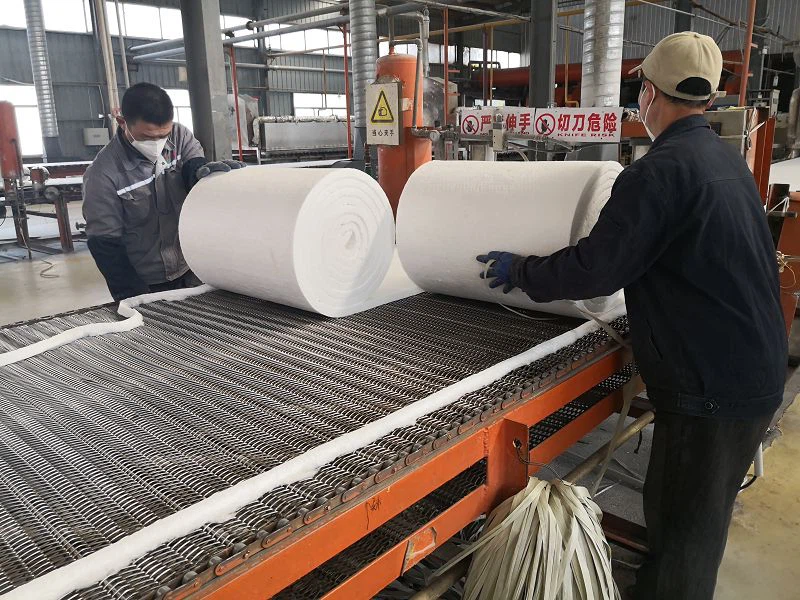
The service life of lightweight refractory bricks is a crucial consideration for industries that rely on these materials for high - temperature applications. As a leading supplier of lightweight refractory bricks, we understand the importance of this factor and are committed to providing our customers with in - depth knowledge about the durability and performance of our products.
Understanding Lightweight Refractory Bricks
Lightweight refractory bricks are designed to offer excellent thermal insulation properties while maintaining a relatively low density. This makes them ideal for use in furnaces, kilns, and other high - temperature environments where heat conservation is essential. These bricks are typically made from materials such as alumina, silica, and other refractory oxides, and they are manufactured using specialized processes to achieve the desired physical and thermal properties.
There are different types of lightweight refractory bricks available in the market. For example, Light Weight Heat Insulation Fire Bricks are known for their high insulation capacity and are often used in applications where reducing heat loss is a top priority. Insulation Mullite Brick is another type, which combines good thermal insulation with high mechanical strength, making it suitable for more demanding industrial applications. Refractory Insulating Fire Brick offers a balance between insulation and refractory performance, ensuring long - term stability in high - temperature settings.
Factors Affecting the Service Life of Lightweight Refractory Bricks
The service life of lightweight refractory bricks can be influenced by several factors. One of the most significant factors is the operating temperature. Lightweight refractory bricks are designed to withstand specific temperature ranges. If the operating temperature exceeds the recommended limit, the bricks may experience thermal stress, which can lead to cracking and spalling. For instance, in a furnace where the temperature fluctuates frequently and reaches extremely high levels, the bricks are more likely to degrade faster.
Chemical exposure is another critical factor. In industrial environments, the bricks may come into contact with various chemicals such as acids, alkalis, and molten metals. These chemicals can react with the components of the bricks, causing corrosion and weakening the structure. For example, in a chemical processing plant, the presence of acidic gases can gradually erode the surface of the lightweight refractory bricks, reducing their service life.
Mechanical stress also plays a role. During installation, operation, and maintenance, the bricks may be subject to physical forces such as vibration, impact, and pressure. If the bricks are not properly installed or if the equipment experiences excessive vibration, the bricks can crack or break. In addition, the weight of the overlying structure in a furnace or kiln can put pressure on the lower layers of bricks, leading to deformation over time.
The quality of the raw materials and the manufacturing process also have a direct impact on the service life of the bricks. High - quality raw materials with consistent properties and advanced manufacturing techniques can produce bricks with better density, porosity, and strength. At our company, we use only the finest raw materials and state - of - the - art manufacturing processes to ensure the durability and performance of our lightweight refractory bricks.
Estimating the Service Life
Estimating the exact service life of lightweight refractory bricks can be challenging due to the complex interplay of the factors mentioned above. However, based on our experience and industry research, we can provide some general guidelines.
In relatively stable operating conditions, where the temperature is within the recommended range, there is minimal chemical exposure, and mechanical stress is low, lightweight refractory bricks can have a service life of several years. For example, in a small - scale laboratory furnace with a consistent operating temperature of around 1000 - 1200°C, the bricks may last for 3 - 5 years.
In more demanding industrial applications, such as large - scale steelmaking furnaces or cement kilns, the service life may be shorter. These environments often involve high - temperature fluctuations, aggressive chemical reactions, and significant mechanical stress. In such cases, the service life of the lightweight refractory bricks may range from 1 - 2 years, and in some extreme situations, even less.
It's important to note that regular inspection and maintenance can significantly extend the service life of the bricks. By monitoring the condition of the bricks, detecting early signs of damage, and taking appropriate measures such as patching or replacement, industries can ensure the continued safe and efficient operation of their high - temperature equipment.
Our Commitment as a Supplier
As a reputable supplier of lightweight refractory bricks, we are dedicated to providing our customers with products that offer the best possible service life. We invest heavily in research and development to continuously improve the performance and durability of our bricks. Our team of experts conducts thorough quality control checks at every stage of the manufacturing process to ensure that each brick meets the highest standards.
We also offer comprehensive technical support to our customers. Our engineers can assist in the selection of the most suitable type of lightweight refractory bricks for specific applications, provide installation guidance, and offer advice on maintenance and repair. By working closely with our customers, we help them optimize the use of our products and maximize the service life of the bricks in their equipment.


Contact Us for Your Procurement Needs
If you are in the market for high - quality lightweight refractory bricks and want to ensure a long service life for your high - temperature equipment, we invite you to contact us for a procurement discussion. Our team of sales representatives is ready to answer your questions, provide detailed product information, and offer competitive pricing. We understand that every customer's needs are unique, and we are committed to finding the best solutions for you.
References
- Richardson, J. H., & Cooper, A. R. (1993). Refractories. Chapman & Hall.
- ASTM International. (2019). Standard Specification for Calcium Silicate Block and Pipe Thermal Insulation. ASTM C533 - 19.
- Schmidt, E. (2005). Industrial Refractory Technology. Wiley - VCH Verlag GmbH & Co. KGaA.